The pharmaceutical procurement process is one of the most complex purchasing processes in the healthcare sector. Unlike most industries, where a procurement failure leads to a delay, in pharmaceuticals a sourcing failure can delay a drug launch, violate compliance mandates, or worse, pull a product from the market.
Inventory carrying costs in pharma average 19.6 percent of inventory value annually, and cold chain logistics consume capital at a rate that makes the visible acquisition cost less than 60 percent of the total lifecycle expense. This means procurement teams focused only on purchase price are ignoring more than 40 percent of the real cost.
Lenus Health provides pharmaceutical procurement services from Germany for importers and distributors in the Middle East, Central Asia, and Latin America. We work directly with Good Manufacturing Practice (GMP) certified manufacturers across the European Union and are familiar with the regulatory requirements of destination markets.
In this article we explain the complete international pharmaceutical procurement process step by step, introduce best practices, and show what mistakes at each stage can cause delays or failures.
Table of Contents
- What Pharmaceutical Procurement Is and How It Differs from Standard Purchasing
- Six Fundamental Principles of Effective Pharmaceutical Procurement
- Seven Stages of the International Pharmaceutical Procurement Process
- Main Challenges in International Pharmaceutical Procurement in 2026
- Types of Pharmaceutical Procurement Methods
- Supplier Relationship Management in Pharmaceutical Procurement
- The Role of Lenus Health in the Procurement Process
- Criteria for Selecting a European Pharmaceutical Procurement Partner
- Conclusion
- Frequently Asked Questions
1. What Pharmaceutical Procurement Is and How It Differs from Standard Purchasing?
Pharmaceutical procurement is the process of sourcing, purchasing, and managing medicines and medical supplies in a safe, cost-effective, and transparent way. It plays a key role in ensuring patients always have access to quality and affordable medicines.
The fundamental difference between pharmaceutical procurement and standard goods purchasing is that every purchase decision has a direct impact on human health. Mistakes are costly not only for organisations but for patients.
A good pharmaceutical procurement system has four primary objectives:
- Procuring the most cost-effective medicines in the right quantities
- Selecting reliable suppliers of high-quality products
- Ensuring timely delivery
- Achieving the lowest total lifecycle cost, not just the purchase price
In international procurement, each of these objectives gains additional dimensions: multi-country regulatory requirements, documentation complexity, greater logistics risk, and longer lead times.

2. Six Fundamental Principles of Effective Pharmaceutical Procurement
Good pharmaceutical procurement is built on the six rights: the right product, in the right quantity, in the right condition, in the right place, at the right time, for the right cost. In international procurement, each of these takes on additional dimensions:
- Right product: Not only the right International Nonproprietary Name (INN) and strength, but an authorised manufacturer, a valid GMP certificate, and documentation acceptable to regulatory authorities in the destination country
- Right quantity: Balancing inventory carrying costs, which average 19.6 percent of inventory value annually, against the risk of stockout if safety stock is reduced
- Right condition: Complete documentation, Good Distribution Practice (GDP) compliant packaging, and where required, a validated cold chain
- Right place: This includes customs requirements, import permits, and in some markets, product registration in the destination country
- Right time: Pharmaceutical supply chains can take 5 to 12 weeks from order confirmation to delivery. Advance planning is essential.
- Right cost: Shifting from a purchase-price model to a Total Cost of Ownership model that accounts for quality failures, supply disruptions, regulatory non-compliance costs, and the hidden costs of single-source dependency
Procurement teams that apply these six principles in an integrated way achieve better outcomes in quality, cost, and supply continuity.
3. Seven Stages of the International Pharmaceutical Procurement Process
Pharmaceutical procurement follows a structured seven-stage process that ensures medicines are purchased safely, cost-effectively, and in compliance with health regulations.
- Sourcing plan: The procurement team defines the required products, estimates volumes, and in international procurement, also reviews the registration status of the product in the destination country and the import permit requirements.
- Market research: Market research in pharmaceutical procurement covers supplier assessment, availability and pricing, but also product registration verification, certifications, and global shortage status.
- Supplier qualification: The most critical stage for quality. GMP certificates, manufacturing authorisations, quality records, and previous batch documentation must be verified for every new supplier.
- Request for quotation and negotiation: Prices are evaluated not only against unit cost but against Total Cost of Ownership.
- Regulatory verification: The regulatory status of the product for export from Europe and import into the destination country is confirmed, including export authorisation, customs requirements, and where applicable, product registration.
- Contract and purchase order: A supply agreement is concluded specifying quality requirements, timelines, and documentation requirements.
- Order fulfilment and delivery inspection: The shipment is received, documentation is reviewed, and where required, sampling is conducted. Temperature reports for cold chain products are reviewed.
Each stage carries its own risk points. An experienced procurement partner can prevent avoidable delays at every stage.

4. Main Challenges in International Pharmaceutical Procurement in 2026
The global trade environment remains volatile, with inconsistent tariff policies making long-term supply chain planning more difficult. In response, many pharmaceutical companies are diversifying their manufacturing and active pharmaceutical ingredient supply bases.
- Market volatility and pricing: Drug price fluctuations can significantly affect budgets. Long-term supply agreements with qualified suppliers reduce the risk of price volatility.
- Supply chain disruptions: Natural disruptions or political instability can limit supply availability. Having multiple qualified suppliers for critical medicines is a necessity.
- Regulatory changes: New regulations may require rapid adjustment of purchasing strategies. A European supplier with current regulatory knowledge can anticipate these changes in advance.
- Documentation complexity: Documentation requirements differ across markets. An incomplete documentation package can stop a shipment at customs.
- Patent cliff: Several major medicines lose patent protection between 2025 and 2028. This creates an opportunity to source quality European generics instead of higher-priced branded equivalents.
Familiarity with these challenges helps procurement teams adopt preventive rather than reactive strategies.
5. Types of Pharmaceutical Procurement Methods
Procurement methods in the healthcare system typically fall into these categories: restricted tender, open tender, direct procurement, competitive negotiation, and international and local purchasing. Each method suits specific situations:
- Direct purchase from a licensed distributor: Suitable for standard medicines with regular stock availability. The fastest pathway with the least administrative friction.
- Competitive tender: Suitable for high volumes and medicines with multiple qualified suppliers. Can result in lower prices but requires more time.
- Long-term supply agreement: Suitable for medicines needed on a continuous basis. Reduces the risk of price volatility and guarantees supply continuity.
- Emergency procurement: For urgent cases requiring rapid supply. Typically more expensive but sometimes the only available option.
Selecting the right method depends on the type of medicine, the volume required, the urgency of supply, and the available budget. An effective procurement strategy typically applies a combination of these methods across different pharmaceutical categories.
6. Supplier Relationship Management in Pharmaceutical Procurement
Building long-term relationships with suppliers is essential for obtaining the right medicines at the best pricing. Establishing a strong relationship with a trusted supplier is far more beneficial than constantly switching suppliers to save costs.
In 2026, buyers are increasingly evaluating suppliers as long-term partners rather than vendors. An effective pharmaceutical supplier relationship is built on:
- Regular communication about stock status and potential changes in the supply chain
- Sharing forward purchasing plans that allow the supplier to plan production and stock
- Regular feedback on product quality and documentation received
- Early warning mechanisms for potential shortages
- Periodic audits to confirm the supplier’s ongoing regulatory compliance
This collaborative approach is especially important for specialty medicines with limited supply capacity, which require deep investment in supplier governance rather than transactional purchasing.
7. The Role of Lenus Health in the Procurement Process
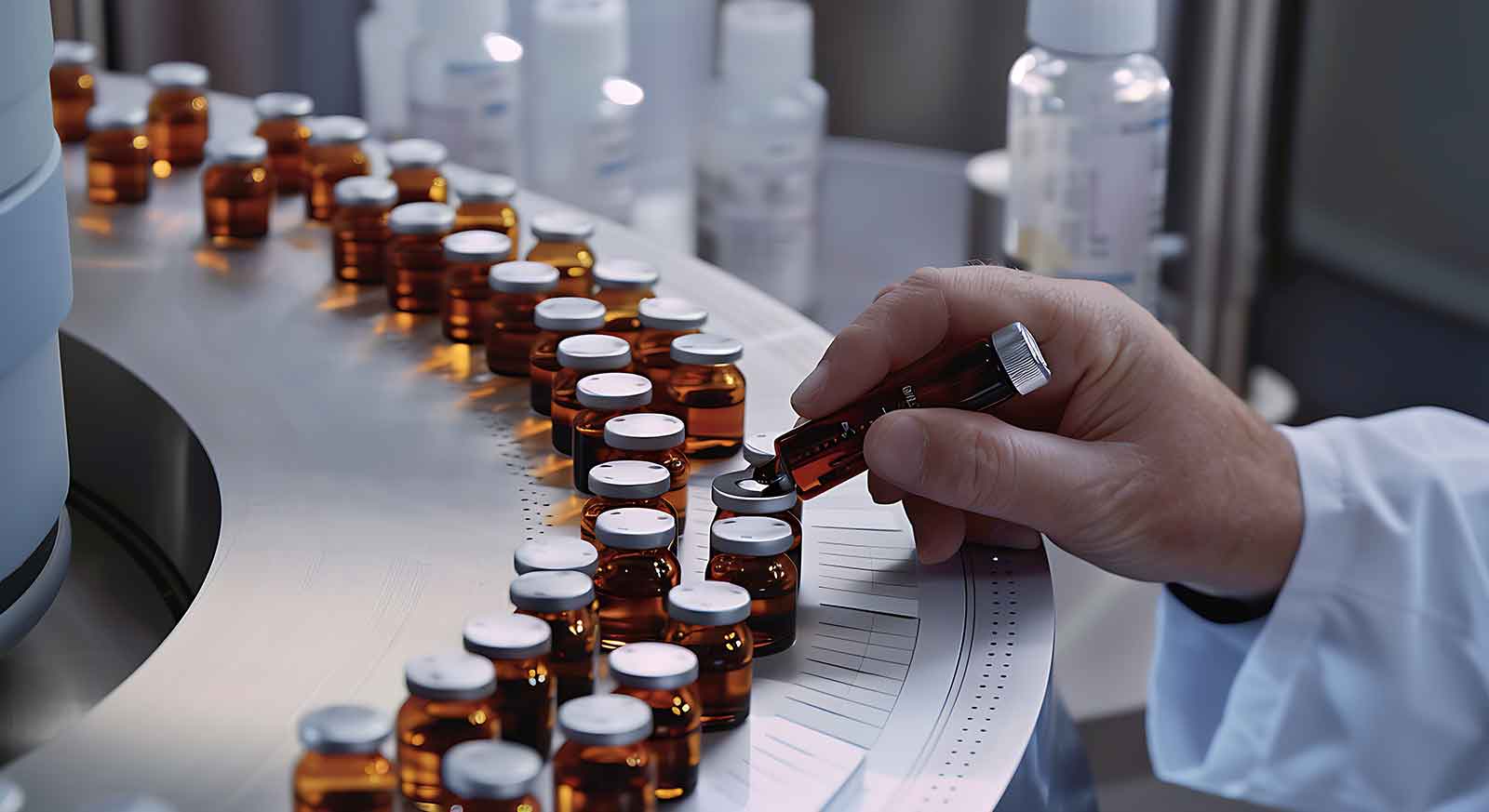
Lenus Health manages the pharmaceutical procurement process from Europe for importers and distributors in the Middle East, Central Asia, and Latin America. We are present at every stage of the procurement process:
- Supplier qualification: verifying GMP certificates, EMA authorisations, and quality records
- Price negotiation: benchmarking against market rates and negotiating directly for the best pricing
- Regulatory verification: reviewing AMG requirements, EMA guidelines, and destination market requirements
- Documentation preparation: assembling the complete export documentation package for the destination market
- Logistics: managing GDP-compliant transport with complete temperature documentation
Pharmaceutical procurement from Europe requires a partner who manages the process from supplier qualification to final delivery and provides the complete documentation your destination market requires. If your organisation needs pharmaceutical procurement services from Germany, the Lenus Health team is ready to listen to your specific requirements and propose the right solution.
8. Criteria for Selecting a European Pharmaceutical Procurement Partner
Selecting the right European pharmaceutical procurement partner has strategic importance. Key evaluation criteria:
- Valid authorisations: A valid WDA verifiable in EMA’s public registry
- Documented GDP compliance: GDP certificate from the most recent inspection
- Regulatory knowledge of your destination market: A supplier familiar with SFDA, NHRA, Uzbekistan’s State Pharmaceutical Agency, or ANVISA requirements
- Complete documentation capability: A sample documentation package for a comparable shipment must be available before the first order
- Strong supplier network: Direct access to multiple manufacturers to manage shortage risk
- Timeline transparency: Realistic timelines stated from the initial enquiry
- Experience in markets similar to yours: Prior experience supplying comparable markets is a meaningful operational advantage
If your organisation requires pharmaceutical procurement services from Europe, we welcome the opportunity to discuss your specific requirements.

Conclusion
The international pharmaceutical procurement process in 2026 operates in a more complex environment than ever before. Geopolitical pressures, the patent cliff for major medicines, increasing regulatory requirements, and documentation complexity all mean that effective pharmaceutical procurement requires a strategic rather than purely operational approach.
The most important paradigm shift in pharmaceutical procurement in 2026 is this: the focus has moved from purchase price to Total Cost of Ownership. Inventory carrying costs, shortage risk, regulatory non-compliance costs, and the value of supply security all need to be factored into the evaluation of a procurement partner.
The seven stages of the procurement process, from sourcing plan to delivery inspection, each carry their own risk points. Organisations that navigate this process with a partner unfamiliar with the destination market frequently encounter unexpected delays and incomplete documentation.
For international healthcare organisations that need high-quality European medicines, selecting the right procurement partner from Europe is a strategic decision with direct operational consequences. A partner who provides complete documentation, deep regulatory knowledge, and reliable supply continuity delivers genuine value.
Frequently Asked Questions
- What is pharmaceutical procurement?
Pharmaceutical procurement is the process of sourcing, purchasing, and managing medicines and medical supplies in a safe, cost-effective, and transparent way. Unlike standard goods purchasing, every procurement decision has a direct impact on human health, meaning quality, safety, and regulatory compliance must be carefully evaluated alongside price. - What does Total Cost of Ownership mean in pharmaceutical procurement?
Total Cost of Ownership (TCO) encompasses all costs related to purchasing a medicine, not just the unit price. This includes inventory carrying costs averaging 19.6 percent of inventory value annually, logistics and cold chain costs, the risk of shortage from single-source dependency, and potential regulatory non-compliance costs. - How can shortage risk be managed in international procurement?
Key actions include qualifying multiple suppliers for critical medicines, maintaining appropriate safety stock, regular communication with the supplier about stock status, and using a partner with early warning systems for potential shortages. - How long does a complete pharmaceutical procurement process take?
For products available ex-stock, typically 5 to 10 business days from order confirmation to dispatch. Products requiring direct manufacturer ordering may take 4 to 12 weeks. If product registration in the destination country has not yet been completed, this timeline can be significantly longer. - What documentation is required in every international pharmaceutical procurement?
Standard documentation includes CPP, CoA, GMP certificate, batch release records, and Free Sale Certificate. Depending on the destination market, additional documents such as Russian translation for Central Asia or ANVISA-specific requirements for Brazil may be needed. - What is the difference between pharmaceutical sourcing and procurement?
Sourcing refers to finding the right supplier for a medicine, while procurement covers the complete process including planning, qualification, negotiation, purchasing, delivery, and supplier relationship management. In practice these two processes are closely connected and often handled together.