A cardiovascular surgery devices supplier plays a critical role in a healthcare facility’s ability to perform life-saving procedures. The global cardiovascular surgery devices market is valued at USD 15.8 billion in 2026 and is projected to grow at a compound annual growth rate (CAGR) of 8.1 percent, reaching USD 26.4 billion by 2033.
Cardiovascular disease remains the leading cause of death in Europe. The World Health Organization has reported that cardiovascular diseases account for over 42.5 percent of annual deaths in Europe, roughly 10,000 deaths per day. This figure alone illustrates why stable access to high-quality cardiovascular surgery devices is a necessity, not a choice.
Lenus Health provides access to specialised medical devices used in cardiovascular procedures and extracorporeal circulation systems for healthcare organisations in the Middle East, Central Asia, and Latin America. All our products carry CE marking and comply with the EU Medical Device Regulation (MDR).
In this article we explain what cardiovascular surgery devices cover, what trends are shaping the market, and how to select a reputable supplier for this sensitive category of medical devices.
Table of Contents
- What Cardiovascular Surgery Devices Are?
- Main Categories of Cardiovascular Devices
- Why Demand for These Devices Is Growing?
- Quality Requirements for High-Risk Devices
- Supply Challenges in This Sensitive Category
- The Role of Lenus Health in Cardiovascular Device Supply
- How to Select a Reliable Supplier?
- Conclusion
- Frequently Asked Questions
1. What Cardiovascular Surgery Devices Are?
Cardiovascular surgery devices refer to a category of specialised medical devices used in the diagnosis, treatment, and surgical procedures related to heart disease. These devices include heart valves, stents, grafts, pacemakers, catheters, and surgical instruments used in procedures such as bypass surgery and angioplasty, which help improve blood circulation, repair heart tissue, and restore heart function.
Due to their direct contact with the cardiovascular system and their critical role in sustaining patient life, these devices are classified in the highest regulatory risk category and must meet the strictest quality and safety standards.
2. Main Categories of Cardiovascular Devices
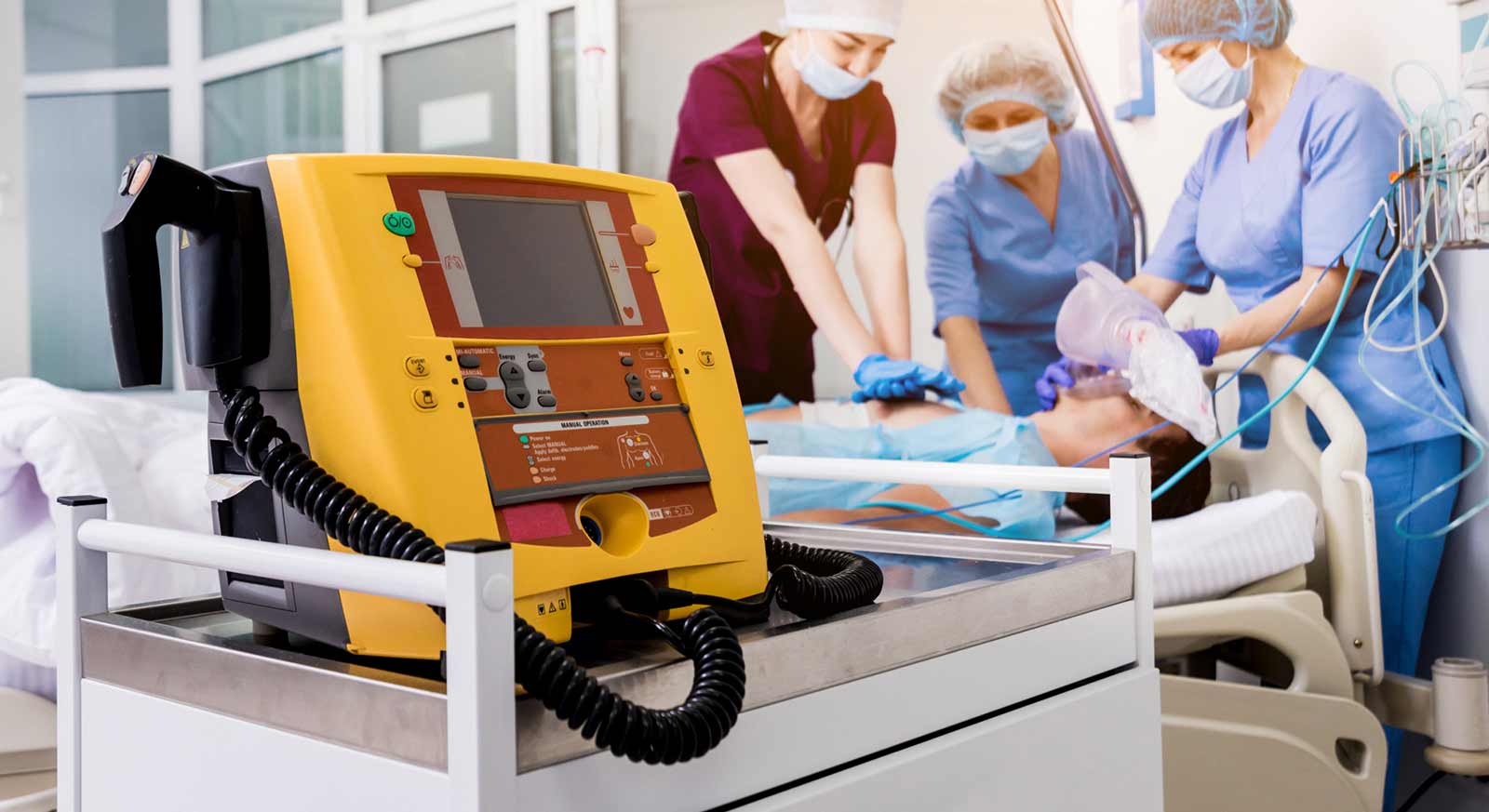
- Oxygenators: Ensure efficient oxygen transfer and carbon dioxide removal, essential in both adult and paediatric bypass procedures. Hospitals prioritise high-performance oxygenators due to their direct impact on patient safety and surgical outcomes.
- ECMO components: The Extracorporeal Membrane Oxygenation (ECMO) machine segment will see the fastest growth in this category, driven by rising prevalence of acute respiratory failure and cardiac complications requiring extracorporeal support. Acute respiratory distress syndrome (ARDS) accounts for around 10 percent of intensive-care admissions and 23 percent of mechanically ventilated patients.
- Coronary stents: One of the most essential cardiovascular devices, used in treating dangerous conditions such as heart attacks, coronary disease, and arterial blockage.
- Ventricular assist devices and intra-aortic balloon pumps: For patients with advanced heart failure, these devices provide temporary or long-term circulatory support.
- Extracorporeal circulation accessories: Includes tubing, filters, cannulas, and other supplies used in cardiopulmonary bypass procedures.
Together, these categories form a complete portfolio that cardiac surgical centres need for both planned and emergency procedures.
3. Why Demand for These Devices Is Growing?
Several structural factors drive steady demand for cardiovascular surgery devices in Europe and international markets.
Cardiovascular disease causes 3.9 million deaths in Europe each year and over 1.8 million deaths within the EU. Heart failure prevalence now exceeds 64.3 million people worldwide, and advanced cases are increasingly bridged with ECMO while definitive interventions are arranged.
Hospitals that built ECMO capacity during the COVID-19 surge have repurposed infrastructure for non-viral ARDS and cardiogenic shock, keeping utilisation above pre-pandemic baselines. An aging population and rising risk factors such as diabetes and sedentary lifestyles also contribute to steady market growth.
Geographically, Europe accounted for roughly 27.85 percent of global oxygenator sales in 2025, with Germany, the United Kingdom, and France leading installed base and innovation.
4. Quality Requirements for High-Risk Devices
Cardiovascular surgery devices are subject to the strictest level of EU regulatory oversight due to the high risk associated with their use. These devices typically fall into the high-risk classification under the EU Medical Device Regulation (MDR), meaning documentation, clinical evidence, and post-market surveillance requirements are significantly stricter than for lower-risk devices.
Every product must carry CE marking, confirming compliance with the General Safety and Performance Requirements under the MDR. The manufacturer must also hold an ISO 13485 certificate confirming their quality management system. For high-risk devices such as oxygenators and ECMO components, conformity assessment typically involves review by an independent Notified Body, which thoroughly examines clinical evidence and technical documentation.
5. Supply Challenges in This Sensitive Category
Sourcing cardiovascular surgery devices carries specific challenges that go beyond standard medical supplies sourcing.
- Manufacturer concentration: The market is dominated by a handful of specialised players such as Medtronic, LivaNova, Getinge (Maquet Cardiovascular), and Abbott. Direct access to these manufacturers or their authorised distributors is critical for ensuring product authenticity and quality.
- Need for complete technical documentation: Given the high risk of these devices, every shipment must be accompanied by complete technical documentation, including CE certification, Declaration of Conformity, and, where required, clinical evaluation reports.
- Delivery timing sensitivity: Cardiovascular devices are often needed for planned or emergency procedures, where delivery delays can directly affect patient treatment timelines.
- Technology innovation: Advances such as improved biocompatible coatings and AI-based monitoring continuously enhance product performance and reliability, meaning suppliers must stay current with the latest generation of products.
Understanding these challenges helps procurement teams design a more resilient sourcing strategy for high-risk cardiovascular devices.
6. The Role of Lenus Health in Cardiovascular Device Supply
Lenus Health provides access to specialised medical devices used in cardiovascular procedures and extracorporeal circulation systems for healthcare organisations in the Middle East, Central Asia, and Latin America. Our portfolio includes oxygenators, ECMO components, coronary stents, and related accessories.
We qualify every supplier against CE certification, MDR compliance, and ISO 13485, and provide a complete technical documentation package with every shipment. Our team understands that in high-risk devices like this category, there is no room for incomplete documentation or unexpected delays.
If your organisation needs a reliable supplier of cardiovascular surgery devices from Europe, the Lenus Health team is ready to review your exact requirements and propose the right sourcing solution.
7. How to Select a Reliable Supplier?
Selecting a cardiovascular device supplier requires greater diligence than other medical device categories due to the high risk associated with these products.
- Verify CE certification and Notified Body assessment: For high-risk products, the full conformity assessment process must be verifiable.
- Review the manufacturer’s ISO 13485 certificate: The quality management system certificate must be active and verifiable.
- Access to recognised brands: Direct access to established international manufacturers is a core requirement.
- Complete technical and clinical documentation: The supplier should be able to provide complete documentation before the order.
- Rapid response capacity: For emergency orders, the supplier must have rapid response capability.
A reputable supplier in this category should be able to provide a complete sample of technical documentation, including a clinical evaluation report and Declaration of Conformity, before the first order.
Conclusion
The cardiovascular surgery devices market is entering a period of steady growth, at an 8.1 percent global annual growth rate driven by the high prevalence of cardiovascular disease and continuous technological advancement. For international healthcare organisations, this means the need for a supplier who can simultaneously manage the high-risk quality of these products and the delivery speed required for critical procedures is steadily increasing.
Cardiovascular surgery devices, unlike many other medical device categories, leave no room for error. A supplier with incomplete documentation or an unreliable supply chain can directly compromise patient clinical outcomes.
Lenus Health, with direct access to established international brands, complete technical documentation for every shipment, and a deep understanding of the sensitivity of this product category, is a partner that minimises these risks. If your organisation needs a reliable supplier of oxygenators, ECMO components, or coronary stents from Europe, the Lenus Health team is ready to listen to your specific requirements.
Frequently Asked Questions
- What products fall under cardiovascular surgery devices?
This category includes oxygenators, ECMO components, coronary stents, ventricular assist devices, intra-aortic balloon pumps, and extracorporeal circulation accessories used in cardiac surgery and intensive care. - Why is demand for ECMO devices growing so rapidly?
Rising prevalence of acute respiratory failure, cardiac complications requiring extracorporeal support, and the repurposing of capacity built during COVID-19 for non-viral cases all contribute to this segment’s rapid growth. - What standards are required for cardiovascular devices?
These devices typically fall into the high-risk classification under the MDR and require CE marking, the manufacturer’s ISO 13485 certificate, and in many cases assessment by an independent Notified Body. - Which manufacturers lead this market?
Key players include Medtronic, LivaNova, Getinge (Maquet Cardiovascular), and Abbott, offering the most advanced technologies in oxygenators and ECMO systems. - Which European country has the largest cardiovascular devices market?
Germany, the United Kingdom, and France have the highest installed base and innovation in Europe, with Germany leading due to high cardiac surgery volumes and specialised care facilities.