Acquired thrombotic thrombocytopenic purpura (aTTP) is a rare and potentially life-threatening blood disorder characterized by the formation of small blood clots throughout the body. Although uncommon in adults, the condition is even rarer in children and can lead to serious complications involving the brain, heart, kidneys, and other organs.
At Lenus Health, we continuously follow global pharmaceutical and regulatory developments to provide valuable healthcare insights and support informed industry collaboration.
According to the official U.S. Food and Drug Administration (FDA) announcement, Caplacizumab (Cablivi) has been approved for the treatment of pediatric patients aged 12 years and older with acquired thrombotic thrombocytopenic purpura (aTTP), in combination with plasma exchange and immunosuppressive therapy.
This approval marks the first FDA-approved treatment specifically indicated for pediatric patients with aTTP.
Table of Contents
- Introduction to Cablivi and Mechanism of Action
- Understanding aTTP
- Clinical Study Findings
- Dosage and Treatment Approach
- Safety Information and Adverse Events
- FDA Orphan Drug Designation
- Conclusion and Future Perspectives
- Frequently Asked Questions (FAQs)
1. Introduction to Cablivi and Mechanism of Action
Caplacizumab (Cablivi) is a humanized nanobody that targets von Willebrand factor (vWF), a protein involved in platelet adhesion and blood clot formation.
By inhibiting the interaction between platelets and ultra-large vWF multimers, Cablivi helps prevent excessive clot formation in small blood vessels, which is a hallmark of acquired thrombotic thrombocytopenic purpura (aTTP).
2. Understanding aTTP
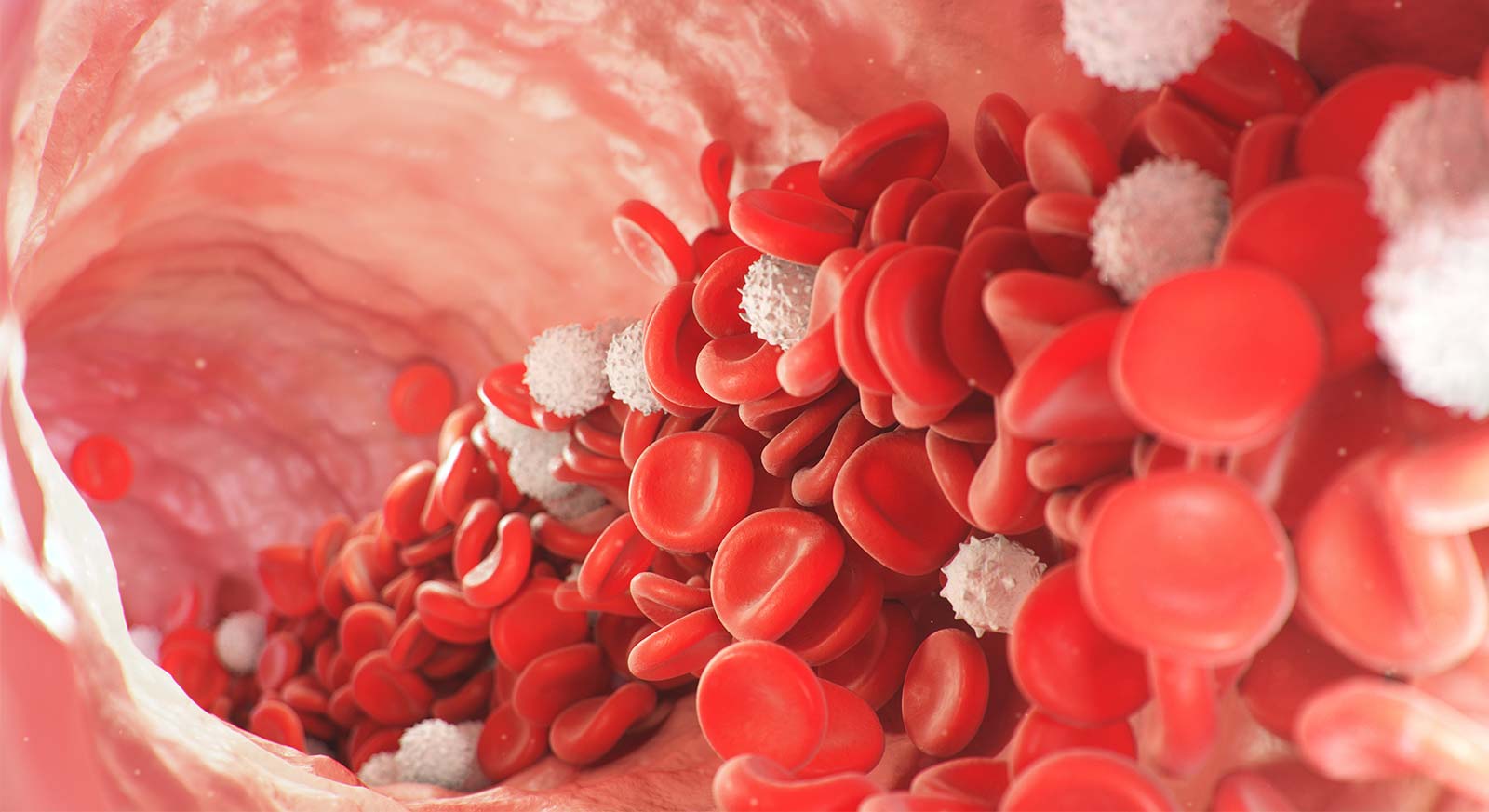
Acquired thrombotic thrombocytopenic purpura (aTTP) is a rare blood disorder characterized by widespread formation of microvascular blood clots.
The disease can result in:
- Reduced blood flow to major organs
- Organ damage involving:
- Brain
- Heart
- Kidneys
- Severe thrombocytopenia
- Hemolytic anemia due to red blood cell destruction
The condition is extremely rare in children, occurring in approximately 1 per 10 million children annually.
3. Clinical Study Findings
The efficacy of Cablivi in pediatric patients with aTTP was evaluated in a retrospective chart review study involving:
- 30 pediatric patients
- Age range: 2 to 18 years
Primary Clinical Outcome
Clinical remission was defined as:
- Normalization of platelet count
- LDH levels below 1.5 times the upper limit of normal
- Maintained for at least 30 days
Results
- 80% of patients achieved clinical remission
These findings demonstrated clinically meaningful benefits in pediatric patients with this rare and high-risk condition.

4. Dosage and Treatment Approach
Cablivi is administered as an injection and is used in combination with:
- Plasma exchange therapy
- Immunosuppressive treatment
Treatment strategies should be individualized based on disease severity and patient response.
5. Safety Information and Adverse Events
Important Bleeding Risk
Because Cablivi affects blood clotting pathways, it may increase the risk of serious or potentially fatal bleeding.
The bleeding risk is higher in patients:
- With coagulation disorders
- Taking anticoagulants or antiplatelet medications
Treatment should be discontinued if clinically significant bleeding occurs.
Patients should also avoid Cablivi:
- 7 days before surgery
- Before dental procedures
- Prior to invasive medical procedures
Contraindications
Cablivi should not be used in patients with severe hypersensitivity to any of its components.
Common Adverse Events
The most frequently reported side effects include:
- Nosebleeds
- Headache
- Gingival bleeding
6. FDA Orphan Drug Designation
Cablivi received Orphan Drug Designation for this indication, reflecting the rarity of pediatric aTTP and the significant unmet medical need associated with the condition.

7. Conclusion and Future Perspectives
The FDA approval of Caplacizumab (Cablivi) for pediatric patients with acquired thrombotic thrombocytopenic purpura (aTTP) represents a significant advancement in the treatment of this rare and life-threatening disorder.
Clinically, the observed remission rates highlight the potential benefits of targeting abnormal clotting pathways in pediatric patients, particularly in reducing disease-related complications and improving treatment outcomes.
The approval also addresses an important unmet medical need, as treatment options specifically approved for children with aTTP have historically been extremely limited.
However, careful monitoring remains essential due to the increased risk of bleeding associated with therapy. Long-term clinical experience and future studies will be important in better understanding the safety profile and long-term outcomes of Cablivi in pediatric populations.
Overall, this approval provides physicians and healthcare teams with the first FDA-approved targeted therapy for pediatric aTTP and may contribute to improved disease management in affected children and adolescents.
Lenus Health continues to monitor emerging therapies and pharmaceutical innovations shaping the future of healthcare.
8. Frequently Asked Questions (FAQs)
- What is Cablivi used for?
Cablivi is approved for the treatment of acquired thrombotic thrombocytopenic purpura (aTTP) in pediatric patients aged 12 years and older. - What is aTTP?
aTTP is a rare blood disorder that causes abnormal clot formation in small blood vessels and may lead to organ damage and anemia. - How does Cablivi work?
It targets von Willebrand factor (vWF) to reduce abnormal platelet clotting. - What are the most common side effects?
Nosebleeds, headache, and gum bleeding. - Why is this approval important?
It is the first FDA-approved treatment specifically indicated for pediatric patients with aTTP.