An orthopedic and prosthetic devices supplier plays a key role in patients’ ability to regain mobility and quality of life. The European orthopedic devices market is valued at USD 14.74 billion in 2026 and is projected to grow at a compound annual growth rate (CAGR) of 3.72 percent, reaching USD 17.69 billion by 2031. Europe accounts for roughly 27 percent of the global orthopedic prosthetic devices market, supported by established healthcare systems and an aging population.
Germany, with a 23.15 percent share, holds the highest regional revenue share, reflecting high procedure volumes and robust healthcare funding. Germany is also growing at 5.7 percent, faster than the European average, driven by the use of sustainable materials and advanced digital fitting technologies.
Lenus Health works with specialised manufacturers to supply prosthetic liners, prosthetic components, orthotic equipment, and related accessories used by orthopedic workshops, rehabilitation centres, and prosthetic laboratories to healthcare organisations in the Middle East, Central Asia, and Latin America.
In this article we explain what orthopedic and prosthetic devices cover, what trends are shaping this market, and how to select a reputable supplier for this product category.
Table of Contents
- What Orthopedic and Prosthetic Devices Are?
- Main Product Categories
- Why Demand for These Devices Is Growing?
- Quality and Regulatory Requirements
- Technology Trends Reshaping the Market
- The Role of Lenus Health in Orthopedic and Prosthetic Device Supply
- How to Select the Right Supplier?
- Conclusion
- Frequently Asked Questions
1. What Orthopedic and Prosthetic Devices Are?
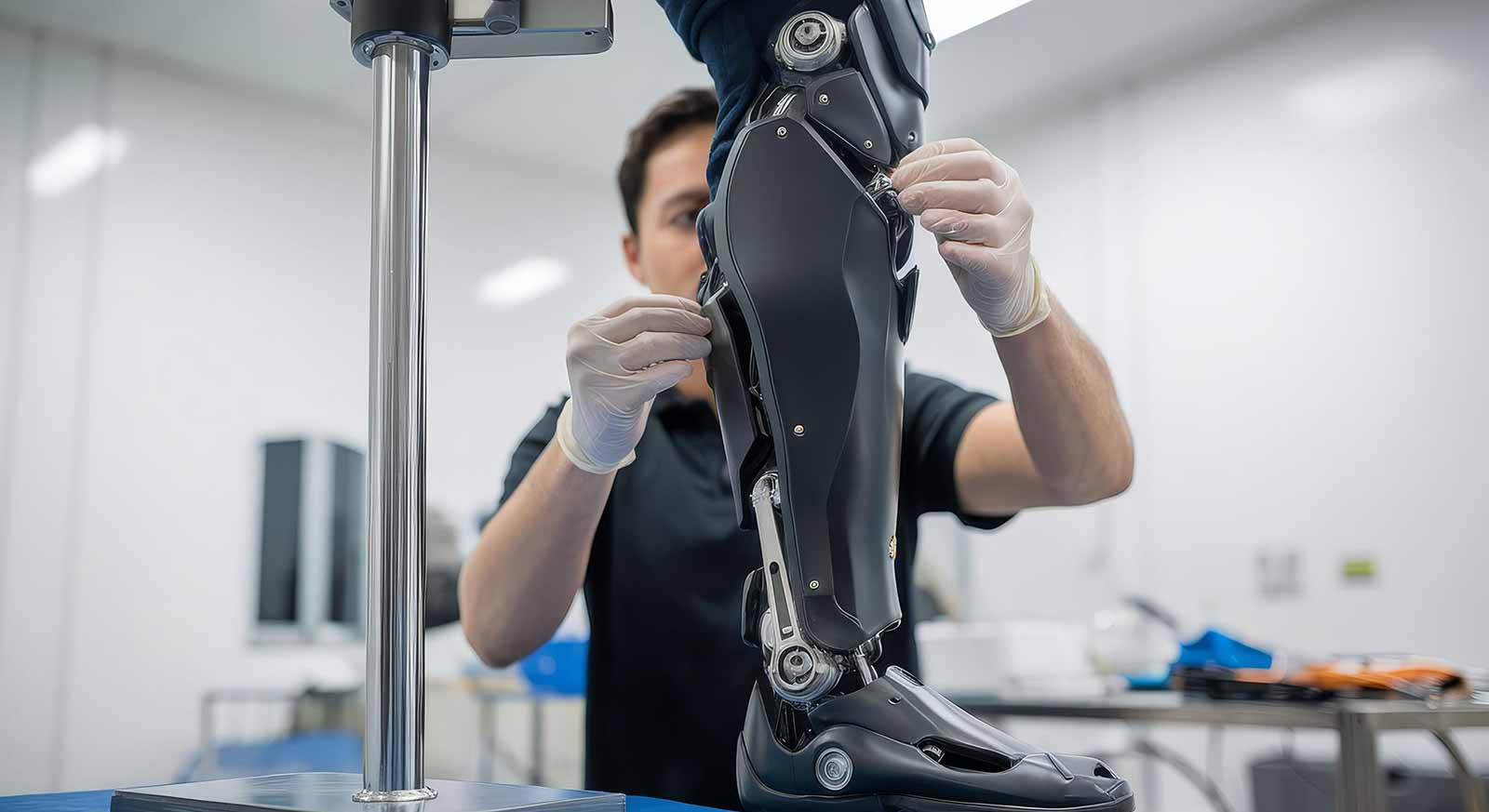
Orthopedic and prosthetic devices refer to a category of medical products designed to restore mobility, function, and quality of life for patients affected by musculoskeletal injury, limb loss, or congenital disorders. Prosthetics are artificial limbs or body parts used to replace lost body parts due to amputation or lack of development, while orthotics are supportive devices used to improve the function of existing limbs.
These products reach patients through a network of orthopedic workshops, rehabilitation centres, and prosthetic laboratories, requiring close collaboration between physicians, orthotists, and prosthetists.
2. Main Product Categories
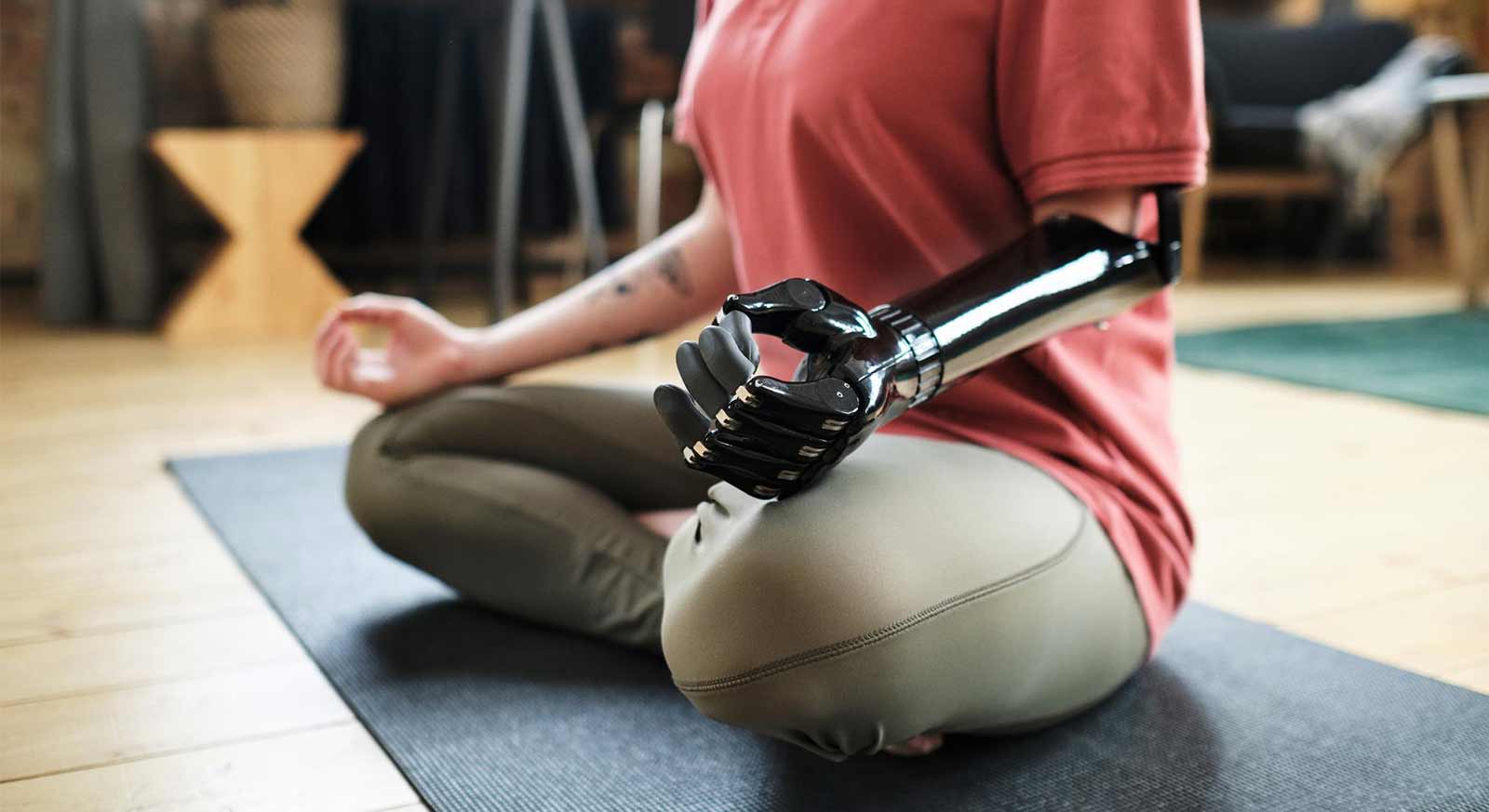
- Limb prosthetics: Includes upper and lower limb prosthetics. Upper limb prosthetics represent the largest segment by product type, driven by growing demand for advanced prosthetic solutions and increasing cases of limb loss.
- Upper and lower limb orthotics: Supportive devices used to improve stability, alignment, and function of injured or weakened limbs.
- Prosthetic liners and connecting components: Critical parts that determine the comfort and performance of a prosthesis, including silicone liners, socket systems, and mechanical or vacuum connecting components.
- Spinal orthotics: Devices used to support, align, or restrict movement of the spine.
- Electric-powered technology devices: The largest segment by technology, driven by enhanced functionality and growing adoption due to innovations such as microprocessor knees and adaptive sensors.
Together, these categories form a comprehensive portfolio that orthopedic workshops and rehabilitation centres need to deliver complete patient care.
3. Why Demand for These Devices Is Growing?
The global prosthetics and orthotics market grew from USD 8.8 billion in 2025 to USD 9.37 billion in 2026, and is projected to reach USD 11.81 billion by 2030, at a CAGR of 6.5 percent.
Several structural factors drive this growth. The World Health Organization reports that around 20 to 50 million people sustain non-fatal injuries from road traffic accidents each year, many of which result in long-term disabilities requiring rehabilitation support. These incidents frequently lead to fractures, ligament injuries, limb trauma, and mobility impairments, increasing demand for rehabilitation therapies and mobility-assistance devices.
Europe’s aging population is another key factor. Germany expects total knee arthroplasty incidence to climb from 245 to 379 per 100,000 inhabitants by 2040, a 55 percent jump reflecting demographic strain across the region.
Chronic diseases such as diabetes also play a significant role. Diabetes-related amputations are one of the leading drivers of increased demand for lower-limb prosthetics.
4. Quality and Regulatory Requirements
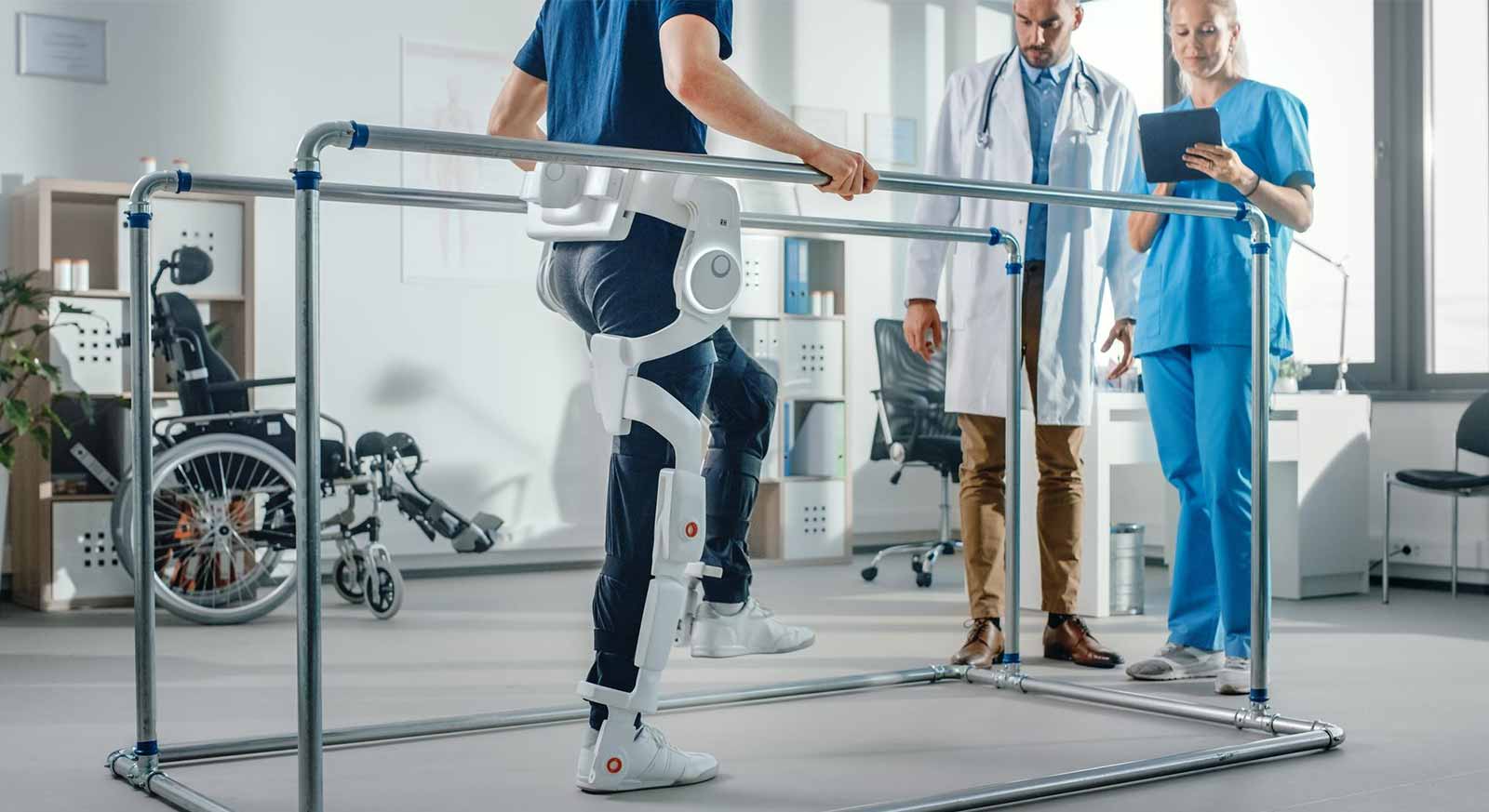
Orthopedic and prosthetic devices, like other medical devices, must comply with the EU regulatory framework. Every product must carry CE marking, confirming compliance with the General Safety and Performance Requirements under the EU Medical Device Regulation (MDR).
Rapid uptake of smart implants that comply with MDR traceability rules is one of the key drivers of sustained market growth. The manufacturer must hold an ISO 13485 certificate for its quality management system, ensuring risk control, deviation management, and continuous improvement.
For customised products such as personalised prosthetics, additional documentation on manufacturing process and patient fit is also typically required.
5. Technology Trends Reshaping the Market
Several technology trends are reshaping the orthopedic and prosthetic devices market.
- Digital solutions and tele-orthopedics: Telehealth platforms help patients access follow-up services and adjustments without frequent in-person visits, especially in rural or underserved regions. Prosthetists use remote assessment tools to fine-tune prosthetic performance in real time.
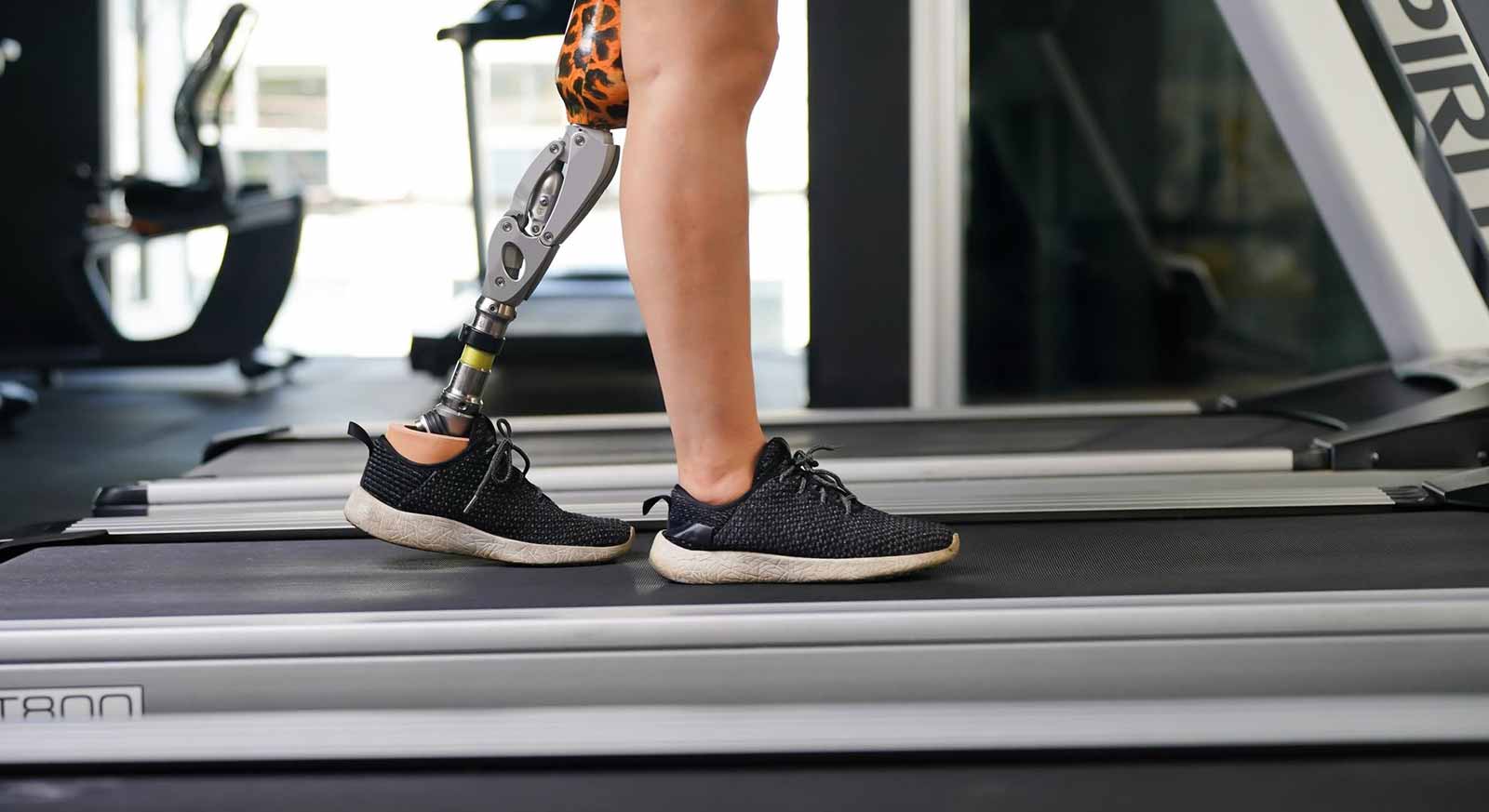
- 3D printing and additive manufacturing: Customised prosthetics and orthotics manufactured through additive manufacturing technologies enable faster production, reduced costs, improved fitting accuracy, and enhanced patient comfort.
- Aesthetic and lifestyle-oriented design: User expectations are shifting toward prosthetics that blend functional performance with aesthetic appeal.
Together, these trends indicate that buyers are now looking for suppliers who are current on both next-generation products and regulatory requirements.
6. The Role of Lenus Health in Orthopedic and Prosthetic Device Supply
Lenus Health works with specialised manufacturers to supply prosthetic liners, prosthetic components, orthotic equipment, and related accessories used by orthopedic workshops, rehabilitation centres, and prosthetic laboratories to healthcare organisations in the Middle East, Central Asia, and Latin America.
We qualify every supplier against CE certification, MDR compliance, and ISO 13485, and provide complete documentation with every shipment. Our team understands that orthopedic workshops and rehabilitation centres need stable, high-quality supply to deliver ongoing fitting and adjustment services to patients.
7. How to Select the Right Supplier?
Selecting an orthopedic and prosthetic devices supplier should account for several key factors.
- Verify CE certification and MDR compliance: These certifications must be available for every product.
- Review the manufacturer’s ISO 13485 certificate: The quality management system certificate must be active and verifiable.
- Access to a full product range: Access to prosthetic and orthotic components from recognised brands is a core requirement.
- Capability to supply customised products: The supplier should be able to provide customised products with complete technical documentation.
- Track record with orthopedic workshops: The supplier’s prior experience with rehabilitation centres is a meaningful operational advantage.
A reputable supplier should be able to provide a sample of complete documentation, including certificates and the Declaration of Conformity, before the first order.
Conclusion
The orthopedic and prosthetic devices market is entering a period of steady growth, driven by an aging population, rising accidents and injuries, the prevalence of chronic diseases such as diabetes, and technological innovations such as 3D printing and digital solutions.
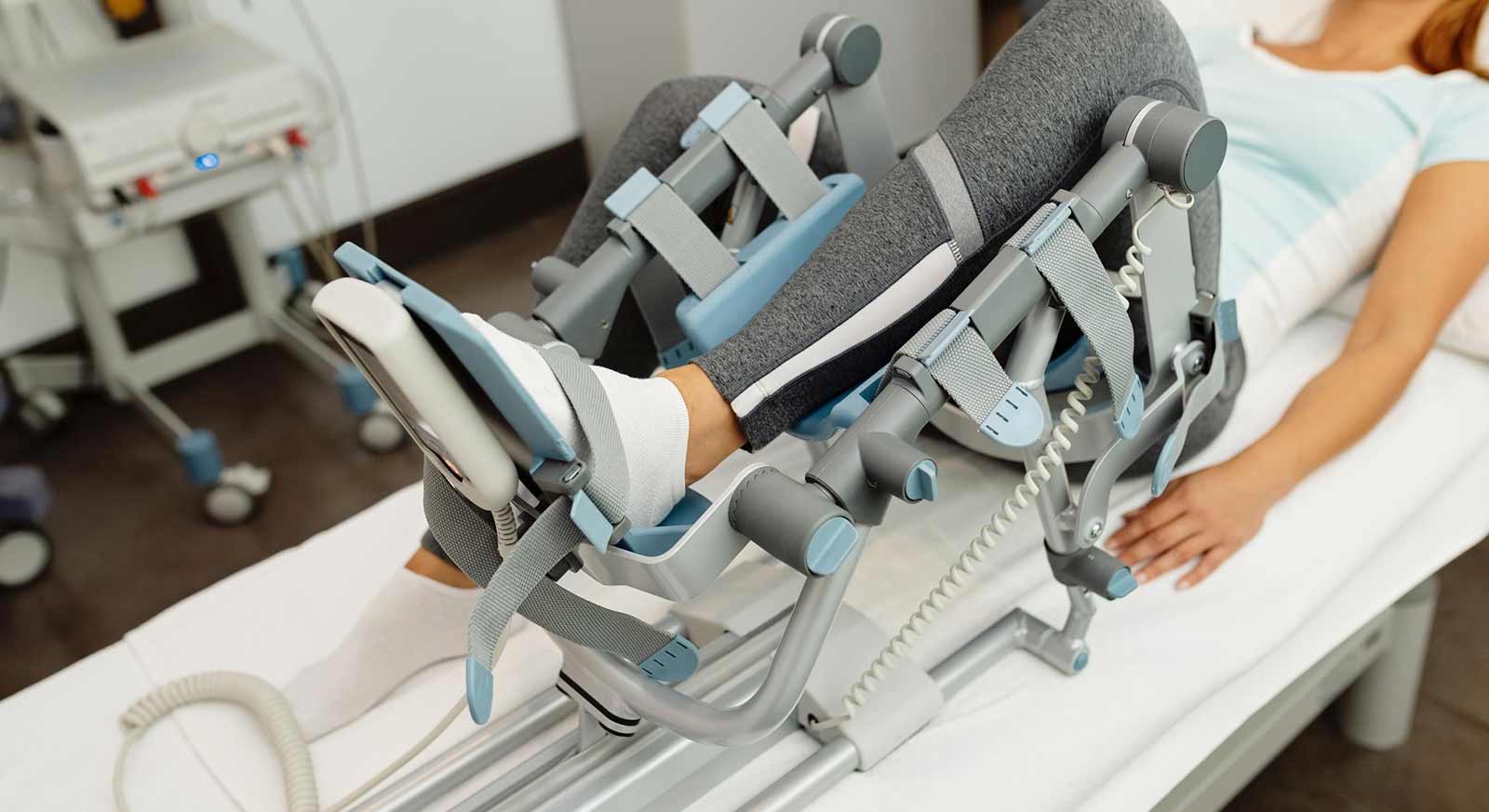
For international healthcare organisations, this means the need for a supplier who can deliver both standard products and customised solutions with consistent quality and complete documentation is steadily increasing. Orthopedic workshops and rehabilitation centres in particular need supply continuity, as patients typically require the same products for repeated adjustments and repairs.
Lenus Health, with access to specialised manufacturers, complete CE and MDR documentation for every shipment, and operational understanding of the needs of orthopedic workshops and rehabilitation centres, is a partner that reduces these risks. If your organisation needs a stable and high-quality supply of orthopedic and prosthetic devices from Europe, the Lenus Health team is ready to listen to your specific requirements.
Frequently Asked Questions
- What products fall under orthopedic and prosthetic devices?
This category includes upper and lower limb prosthetics, limb and spinal orthotics, prosthetic liners, connecting components, and related accessories used in orthopedic workshops and rehabilitation centres. - Why is demand for orthopedic and prosthetic devices growing?
Key drivers include an aging population, rising road accidents and sports injuries, the prevalence of chronic diseases such as diabetes leading to amputation, and technological innovations such as 3D printing. - What standards are required for orthopedic and prosthetic devices?
Every product must carry CE marking, confirming compliance with the EU Medical Device Regulation (MDR). The manufacturer must also hold an ISO 13485 certificate for its quality management system. - What technology trends are reshaping this market?
Digital solutions and tele-orthopedics, 3D printing for customised products, and aesthetic and lifestyle-oriented designs are among the most significant trends shaping this market. - Which European country has the largest orthopedic devices market?
Germany, with a 23.15 percent share, holds the highest regional revenue share in Europe and is growing at 5.7 percent, faster than the regional average.