A medical device distributor serving the Middle East plays a decisive role in this region’s access to advanced medical technologies. The Middle East and North Africa (MENA) medical device market reached USD 24.6 billion in 2025 and is projected to grow at a compound annual growth rate (CAGR) of 5.1 percent, reaching USD 35 billion by 2032.
The Gulf Cooperation Council (GCC) medical devices and in vitro diagnostic (IVD) market alone is estimated at USD 5.5 to 6.2 billion in 2026, with Saudi Arabia representing roughly 52 percent of regional spend and the UAE about 28 percent. Saudi Arabia’s Global Health Exhibition (GHE) 2025 in Riyadh generated USD 35.5 billion in signed deals and partnerships, a six-fold increase that reflects the pace of investment across the region.
Lenus Health exports medical devices from Germany to markets across the Middle East, including Saudi Arabia, the UAE, and other GCC countries. All our products carry CE marking and comply with the EU Medical Device Regulation (MDR), and we are familiar with local registration requirements under SFDA and MOHAP.
In this article we explain how the Middle East medical device market is growing, what regulatory requirements apply to entering this market, and how to select the right European supplier for this region.
Table of Contents
- Why the Middle East Medical Device Market Matters?
- Key Drivers of Market Growth
- Regulatory Requirements in Key Countries
- Import and Supply Chain Challenges
- Product Opportunities in the Middle East Market
- The Role of Lenus Health in Supplying Medical Devices to the Middle East
- How to Select the Right European Supplier?
- Conclusion
- Frequently Asked Questions
1. Why the Middle East Medical Device Market Matters?
The Middle East market is one of the most attractive international markets for European medical device suppliers, driven by a combination of population growth, rising chronic disease prevalence, and major government investment in healthcare infrastructure.
According to GLOBOCAN, new cancer cases in Saudi Arabia are expected to rise from 28,113 in 2022 to 39,900 by 2032. The aging population is also increasingly affected by a range of chronic conditions, including hearing loss, chronic obstructive pulmonary disease (COPD), diabetes, and osteoarthritis, all of which increase the need for specialised medical devices.

2. Key Drivers of Market Growth
- Saudi Arabia’s Vision 2030: Includes a substantial financial commitment to healthcare modernisation, with many new hospitals and specialty centres planned by 2030. Saudi Arabia, with roughly 52 percent of regional spend, is the largest GCC medical device market.
- The UAE’s ‘We the UAE 2031’ strategy: Prioritises smart hospitals equipped with AI-integrated imaging and robotic surgery systems. The UAE, with roughly 28 percent share, is the second-largest GCC market.
- Device registration reforms: SFDA and MOHAP reforms to product registration processes have simplified entry for foreign suppliers and created clearer pathways for launching new products.
- Chronic and cardiovascular disease burden: Rising diabetes and cardiovascular disease across the region have increased demand for specialised diagnostic and treatment devices.
Together, these drivers indicate that Middle East market growth is not a short-term trend but a reflection of long-term structural commitments by regional governments.
3. Regulatory Requirements in Key Countries
Each country in the Middle East region has its own regulatory framework for medical device registration and import.
- Saudi Arabia: Registration requirements are managed under the Saudi Food and Drug Authority (SFDA) through the MDS system. Products carrying CE marking in the EU typically have a smoother path to SFDA registration but still require complete local documentation.
- United Arab Emirates: Medical device registration is handled through the Ministry of Health and Prevention (MOHAP), along with additional requirements from DHA in Dubai and DOH in Abu Dhabi.
- Other GCC countries: Kuwait under Decree 387/2025, Bahrain through mandatory NHRA registration, Oman through the Ministry of Health’s Class C and D portal, and Qatar through MOPH requirements each have their own independent regulatory framework. The Gulf Health Council is working to harmonise these requirements across the region.
A deep understanding of these varying requirements is essential for any supplier seeking a sustainable presence in the region.

4. Import and Supply Chain Challenges
During the 2021-2022 global logistics crisis, hospitals in Jordan and Oman experienced delays of up to six months in receiving critical imaging components. In Yemen and Sudan, import restrictions and foreign exchange shortages have led to severe shortages of dialysis consumables and ventilator parts.
Saudi Arabia and the UAE are attempting to localise production through industrial incentives, but domestic manufacturing remains below 15 percent of total consumption, according to SFDA data. A shortage of skilled labour, R&D infrastructure, and high tariffs on raw materials continue to hinder the development of a self-sustaining medical technology ecosystem.
This means the region will remain heavily dependent on imports from European and international suppliers for the foreseeable future, which creates a stable opportunity for suppliers with reliable supply chains.
5. Product Opportunities in the Middle East Market
- Respiratory devices: Ventilators dominate the MEA market with a 28.8 percent share in 2025, driven by ICU capacity expansion and rising homecare demand.
- Smart and digital devices: The smart medical devices segment now stands at USD 4.72 billion and represents the fastest-growing category in the region, at a 10.16 percent CAGR.
- Point-of-care diagnostics: HbA1c, cardiac biomarker, and infectious disease rapid tests are scaling with decentralised care and rising diabetes prevalence.
- GCC consumable supplies: The GCC medical consumables market is projected to grow from USD 495 million in 2026 to USD 635 million by 2032.
These categories present significant opportunities for suppliers offering a diverse portfolio of quality European products.

6. The Role of Lenus Health in Supplying Medical Devices to the Middle East
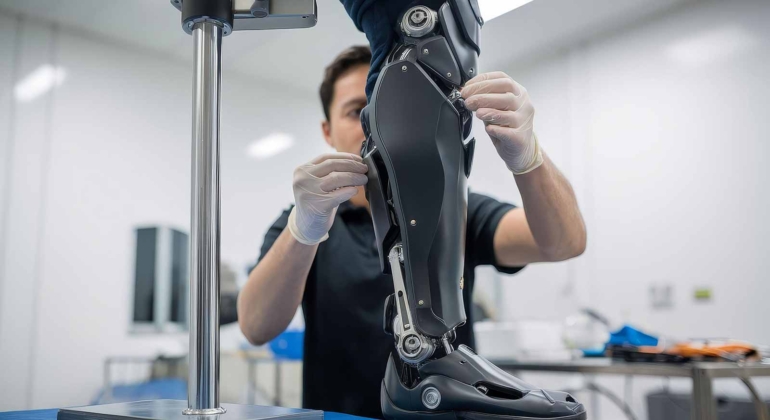
Lenus Health exports medical devices from Germany to markets across the Middle East, including Saudi Arabia, the UAE, and other GCC countries. Our portfolio includes medical disposables, cardiovascular surgery devices, and orthopedic and prosthetic products.
We are familiar with SFDA and MOHAP registration requirements and provide a complete documentation package with every shipment, including CE certification, Declaration of Conformity, and, where required, locally translated documents. Our team understands that each Middle East country has different regulatory requirements and prepares documentation accordingly.
If your organisation in the Middle East needs a reliable supplier of medical devices from Europe, the Lenus Health team is ready to review your exact market requirements and propose the right sourcing solution.
7. How to Select the Right European Supplier?
Selecting the right supplier for the Middle East market requires attention to several region-specific factors.
- Familiarity with registration requirements: The supplier should be familiar with SFDA and MOHAP requirements.
- Translated documentation: The ability to provide documentation translated into Arabic when required is an important consideration.
- Experience exporting to GCC countries: Prior experience exporting to GCC countries is a meaningful operational advantage.
- Reliable delivery capacity: Despite regional logistics challenges, the supplier should maintain stable delivery capacity.
- CE marked products: Access to CE marked products with a smoother registration path is an advantage.
A reputable supplier should be able to provide a sample of successful documentation registered in your target market.

Conclusion
The Middle East medical device market is entering a period of significant growth, with a 5.1 percent annual growth rate across the MENA region and faster growth in specialised segments such as smart devices. This growth stems from major government investments such as Saudi Arabia’s Vision 2030 and the UAE’s We the UAE 2031 strategy, combined with a rising chronic disease burden.
For importers and distributors in this region, this means the need for a European supplier who understands each country’s regulatory requirements and can maintain a reliable supply chain is steadily increasing. Given the region’s high dependency on imports, choosing the right supplier directly affects patient access to essential care.
Lenus Health, with operational experience in Middle East markets, familiarity with SFDA and MOHAP requirements, and complete CE and MDR documentation for every shipment, is a partner that manages this complexity. If your organisation needs a reliable supplier of medical devices for the Middle East from Europe, the Lenus Health team is ready to listen to your specific requirements.
Frequently Asked Questions
- How fast is the Middle East medical device market growing?
The MENA medical device market is projected to grow from USD 24.6 billion in 2025 at a 5.1 percent annual growth rate, reaching USD 35 billion by 2032. The GCC market alone is estimated at USD 5.5 to 6.2 billion in 2026. - Which country is the largest GCC market?
Saudi Arabia, with roughly 52 percent share, is the largest GCC market, followed by the UAE with roughly 28 percent. - Which authority manages medical device registration in Saudi Arabia?
The Saudi Food and Drug Authority (SFDA) manages medical device registration through the MDS system. Products carrying CE marking typically have a smoother registration path. - What are the main supply chain challenges in the Middle East?
Domestic manufacturing remains below 15 percent of total consumption, creating high import dependency. Logistics challenges in some countries can lead to significant delays. - Which product categories present the greatest opportunity in the Middle East market?
Ventilators hold the largest market share. Smart medical devices are the fastest-growing category in the region, at a 10.16 percent CAGR.