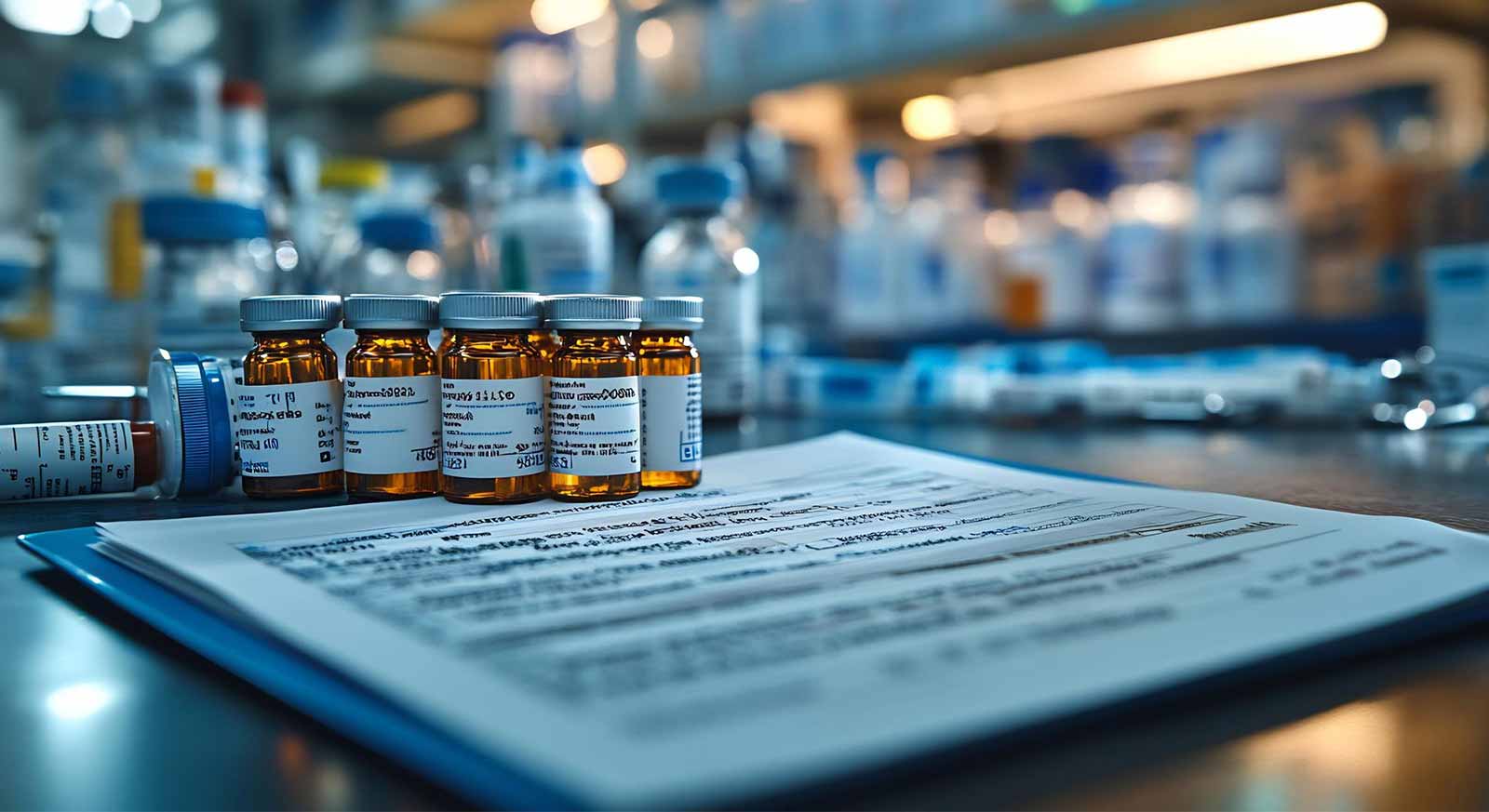
A Wholesale Distribution Authorisation (WDA) is a licence that every company involved in procuring, storing, or distributing human or veterinary medicines within the European Union must hold. Without this licence, wholesale distribution of medicines in the EU is illegal.
The WDA is the legal cornerstone of every lawful pharmaceutical supply chain in Europe. It ensures a company operates in accordance with Good Distribution Practice (GDP) principles, and therefore helps prevent falsified or unauthorised medicines from entering the supply chain.
Lenus Health holds a valid WDA issued by the German competent authority. This licence allows us to procure medicines from authorised manufacturers or suppliers, store them under suitable conditions, and export them to markets in the Middle East, Central Asia, and Latin America. For international customers, this means every shipment received has passed through a legal and traceable supply chain.
In this article we explain what a WDA is, who needs one, what is required to obtain it, and why this licence matters for international importers sourcing medicines from Europe.
Table of Contents
- What Is a WDA ?
- The Legal Framework for WDA in the European Union
- Who Needs a WDA
- Requirements for Obtaining a WDA
- The Difference Between WDA and a GDP Certificate
- WDA and International Markets
- The Role of Lenus Health with a Valid WDA
- How to Verify a Supplier’s WDA
- Conclusion
- Frequently Asked Questions
1. What Is a WDA ?
A Wholesale Distribution Authorisation (WDA) is a type of licence used in the pharmaceutical industry. Although Wholesale Distribution Authorisation is the official name, some also refer to it as a WDL or a GDP Licence.
This licence allows companies to engage in wholesale distribution activities related to human medicines, including storage, transport, and supply to authorised entities such as pharmacies, hospitals, and other wholesalers.
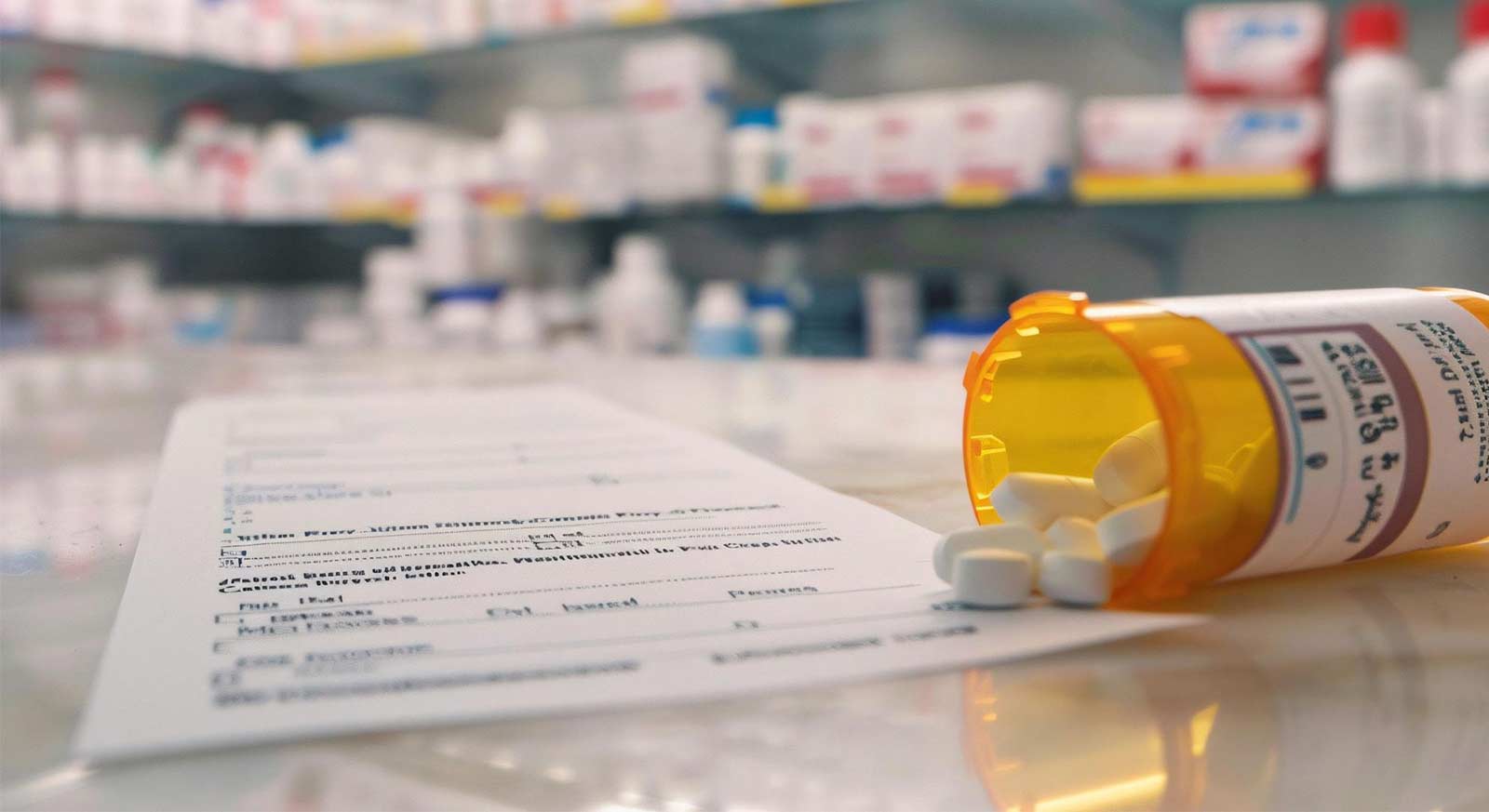
A WDA is a legal authorisation issued by national competent authorities that ensures an organisation operates in compliance with Good Distribution Practice guidelines. GDP ensures that medicines delivered to the end user are safe, effective, and of high quality.
2. The Legal Framework for WDA in the European Union
The WDA framework is governed by two key legislative pieces. Directive 2001/83/EC sets out the core principles for the wholesale distribution of human medicines in the EU. It defines the requirements for obtaining and maintaining a WDA, outlines the responsibilities of wholesalers, and emphasises the importance of GDP compliance.
Entities wishing to purchase or sell medicines within the EU are required to obtain a WDA for the wholesale distribution of pharmaceutical products, regardless of whether these products are imported or manufactured within the EU. The WDA is issued by the competent authority in the country where the wholesaler is based.
The application process involves demonstrating compliance with GDP and other regulations, as outlined in the competent authority’s guidelines.
3. Who Needs a WDA
Any company in the EU engaged in the wholesale distribution of medicinal products requires a WDA if they:
- Procure medicines from manufacturers or authorised suppliers
- Store medicines under appropriate conditions
- Supply medicines to pharmacies, hospitals, and other authorised recipients
- Engage in financial transactions relating to the buying, selling, or transfer of title of medicines
The key point is this: you need a WDA if you meet two conditions you are a distribution or logistics company based in the EU, and you store medicines for longer than 72 hours. Organisations that do not store medicines for more than 72 hours do not need a WDA. Organisations that solely transport medicines also do not need a WDA, but must comply with GDP requirements relevant to transport.
Brokering medicines differs from wholesaling because it does not involve owning or physically handling medicines. Brokers require broker registration rather than a WDA.

4. Requirements for Obtaining a WDA
The essential requirements for obtaining a WDA include:
- GDP compliance: Companies must demonstrate compliance with EU GDP principles and guidelines. This ensures the quality and integrity of medicinal products throughout the supply chain.
- Responsible Person: A designated Responsible Person with relevant expertise in pharmaceutical legislation, GDP, and quality assurance must oversee all WDA activities, be named on the WDA, and be approved by the appropriate regulatory authority. This person must be available 24 hours a day, 7 days a week.
- Suitable premises and equipment: For companies physically handling medicinal products, the company must have appropriate facilities and equipment to ensure proper storage, handling, and distribution, including a suitable temperature-controlled environment and security measures to prevent unauthorised access.
- Quality management system: Implementing a quality management system to identify and mitigate risks in the distribution process.
- Record-keeping: Wholesalers must keep thorough records of all transactions to ensure complete traceability of products.
After the application is received, a site inspection by the competent authority is scheduled. If the inspection is successful, the wholesaler is issued a Good Distribution Practice (GDP) certificate.
5. The Difference Between WDA and a GDP Certificate
A WDA and a GDP certificate are often confused, but they are two different things. A WDA is the operating licence that allows a company to engage in wholesale distribution of medicines. It is issued by the national or state competent authority.
A GDP certificate is the result of an inspection. Following initial and regular inspections by the competent authority, if the wholesaler complies with all EU GDP chapters and other relevant regulatory requirements, a GDP certificate is issued.
In other words, a WDA allows you to operate, while a GDP certificate proves you are operating correctly. Both are required for a qualified pharmaceutical wholesaler, and both are publicly verifiable in the EudraGMDP database.
6. WDA and International Markets
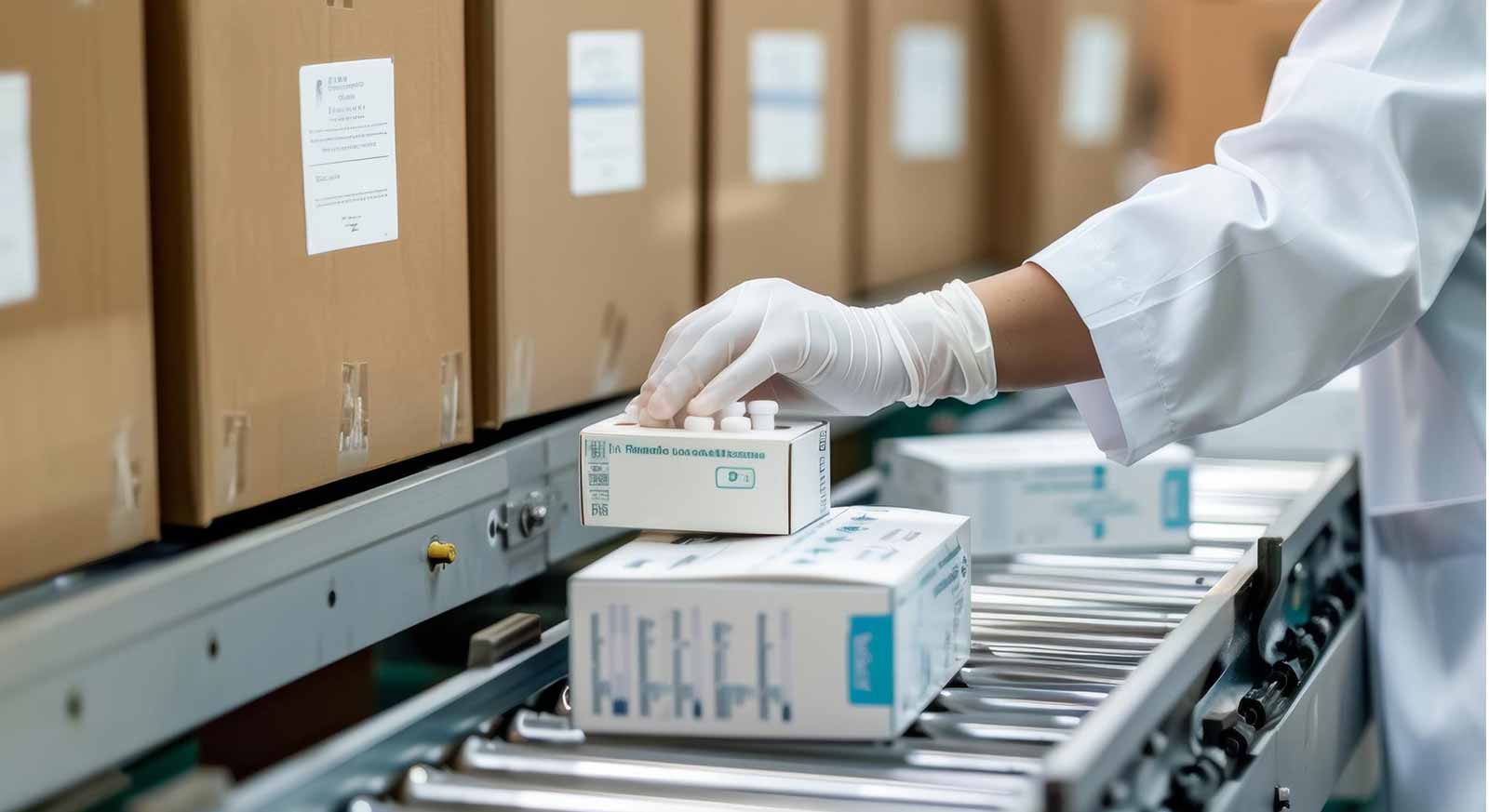
The EU WDA has strategic importance in international markets. A WDA allows the holder to export to third countries, provided the receiving country permits the import of that specific medicinal product.
For importers and distributors in the Middle East, Central Asia, and Latin America, sourcing from a supplier with a valid WDA ensures the supply chain has a lawful origin. This documentation is commonly required in product registration and customs clearance processes in destination countries.
Regulatory authorities in these markets increasingly request the WDA as part of the documentation package that European suppliers must provide. A valid WDA, combined with a GDP certificate, is strong evidence that a European supplier is legally authorised to operate.
7. The Role of Lenus Health with a Valid WDA
Lenus Health holds a valid WDA issued by the German competent authority. This licence allows us to procure medicines from authorised European manufacturers and suppliers, store them under GDP-compliant conditions, and export them to international markets.
Our WDA, combined with our GDP certificate, means every shipment we supply has passed through a legal and fully documented supply chain. Our designated Responsible Person oversees all distribution activities and ensures WDA requirements are consistently met.
If your procurement or compliance team needs to verify our WDA, our licence is publicly verifiable in the EudraGMDP database. Pharmaceutical procurement from Europe requires a partner whose authorisations are lawful, valid, and verifiable. If your organisation needs medicines from Germany backed by a fully documented supply chain, the Lenus Health team is ready.
8. How to Verify a Supplier’s WDA
Verifying the WDA of a European supplier follows these steps:
- Check EudraGMDP: The EudraGMDP database contains WDA information. The WDA of every European wholesaler is publicly verifiable in this database.
- Request the WDA number: A valid supplier should be able to provide their WDA licence number and the issuing authority.
- Review the scope of the licence: WDAs may carry restrictions or specific conditions, such as covered activities, products with additional requirements like cold chain or narcotics, and product destinations. Confirm the supplier’s WDA covers the activities you require.
- Ask about the Responsible Person: Every WDA must have a named Responsible Person.
- Check for an accompanying GDP certificate: A WDA alone is not sufficient. Confirm the supplier also holds a valid GDP certificate from the most recent inspection.
If your organisation requires a pharmaceutical supplier with fully documented legal authorisations, we welcome the opportunity to discuss your specific requirements.

Conclusion
The WDA is the legal cornerstone of every pharmaceutical distribution operation in the European Union. Without this licence, no company can lawfully procure, store, or distribute medicines. For international importers and distributors, verifying a European supplier’s WDA is the first step in the qualification process.
The most important point to remember: a WDA and a GDP certificate are two different but complementary documents. The WDA grants permission to operate, while the GDP certificate proves the operation is carried out correctly. A qualified supplier should hold both, and both should be verifiable in EudraGMDP.
Lenus Health holds a valid WDA and GDP certificate from the German competent authority. Our designated Responsible Person oversees all distribution activities, and complete documentation is provided for every shipment. If your organisation needs a pharmaceutical supplier from Germany with fully documented legal authorisations, the Lenus Health team is ready to provide documentation from the very first order.
Frequently Asked Questions
- What is a WDA?
A Wholesale Distribution Authorisation (WDA) is a legal licence that every company involved in procuring, storing, or distributing human or veterinary medicines in the European Union must hold. It is issued by the national competent authority and ensures the company operates in accordance with GDP principles. - Who needs a WDA?
Any company that procures medicines from authorised manufacturers or suppliers, stores them for more than 72 hours, or supplies them to pharmacies, hospitals, and other authorised recipients needs a WDA. Organisations that only transport medicines or store them for less than 72 hours do not need a WDA. - What is the difference between a WDA and a GDP certificate?
A WDA is the operating licence that allows a company to engage in wholesale distribution of medicines. A GDP certificate is the result of an inspection confirming the company complies with GDP guidelines. Both are required for a qualified wholesaler. - How can you verify a European supplier’s WDA?
The WDA of every European wholesaler is publicly verifiable in the EudraGMDP database. You can also request the licence number and issuing authority from the supplier and review the exact scope of the authorisation. - Is an EU WDA valid for exports to countries outside Europe?
Yes, a WDA allows the holder to export to third countries, provided the receiving country permits the import of that specific medicinal product. This means an EU WDA applies to exports to markets in the Middle East, Central Asia, and Latin America. - How long does it take to obtain a WDA?
The application and inspection process typically takes several months, varying depending on the competent authority and the volume of applications. This includes document submission, site inspection, and GDP compliance assessment.