
The Latin American pharmaceutical market reached USD 104.22 billion in 2026 and is on a trajectory to USD 172.71 billion by 2034 at a CAGR of 6.52 percent. The region accounts for 4.5 percent of the global pharmaceutical market and is growing faster than the global average.
Brazil, Mexico, Argentina, and Colombia together account for nearly 80 percent of regional pharmaceutical sales. An important fact for European suppliers: Latin America faces a large pharmaceutical trade deficit, importing five times more medicines than it exports. European biologics account for more than 50 percent of the region’s biologic imports. This structural import dependency creates sustained and significant opportunity for European pharmaceutical suppliers.
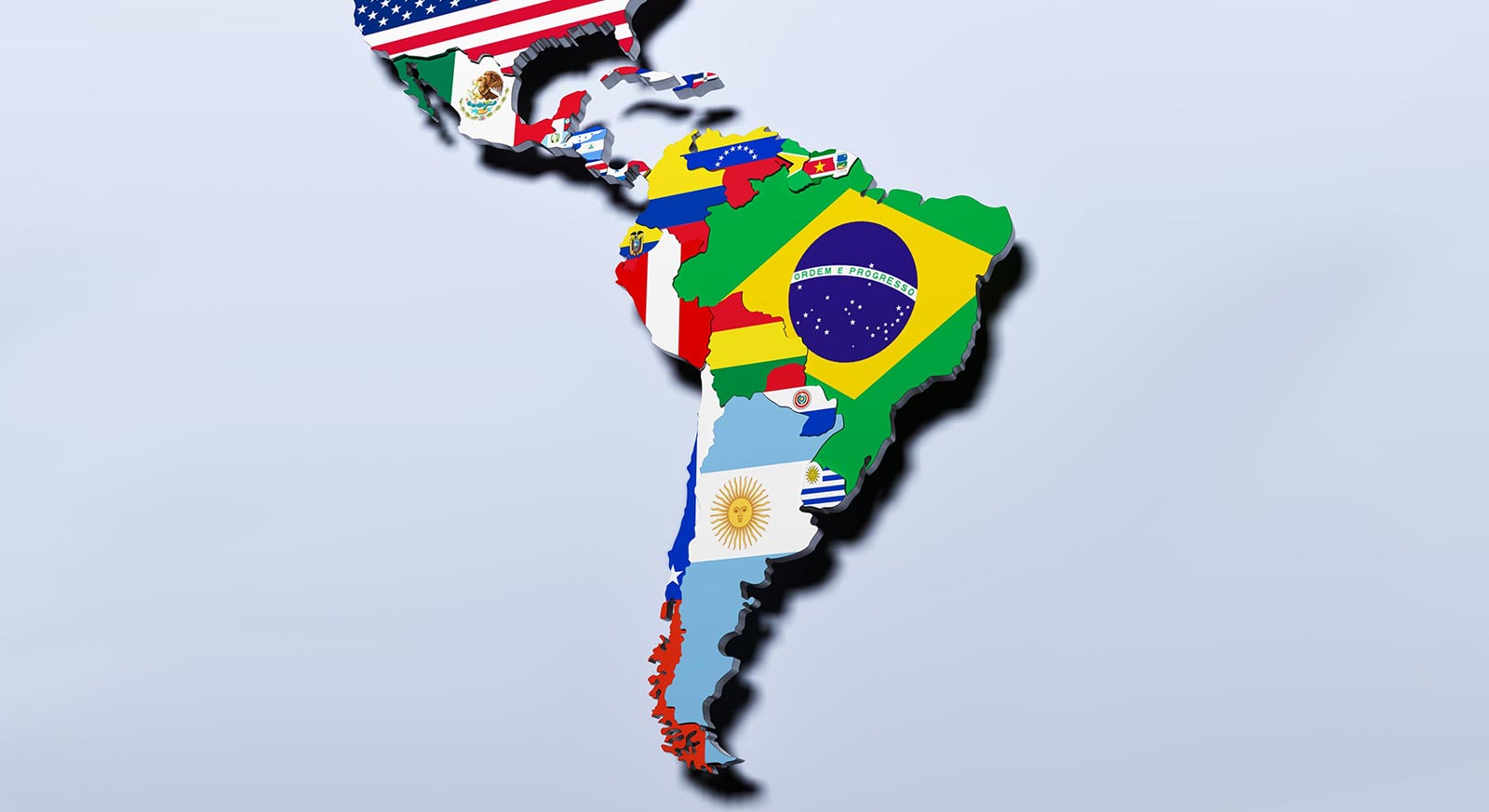
In this article, we explain what characterises the Latin American pharmaceutical market, what regulatory requirements apply in the key countries, what challenges arise in sourcing medicines from Europe to this region, and what criteria matter most when selecting a successful European supply partner.
Lenus Health is a pharmaceutical wholesaler based in Germany working with healthcare organisations, importers, and distributors in Latin American markets. We are familiar with the requirements of ANVISA, INVIMA, and COFEPRIS, and we prepare export documentation in a format designed to accelerate the registration process in each market.
Table of Contents
- Why the Latin American Pharmaceutical Market Attracts European Suppliers
- Key Markets: Brazil, Colombia, Argentina, Mexico and Chile
- Regulatory Requirements: Country Comparison Table
- Main Challenges in Supplying Medicines from Europe to Latin America
- High-Demand Medicine Categories in Latin America
- Registration and Import Pathways in the Region
- The Role of the European Supplier in the Regional Supply Chain
- How to Select the Right European Supply Partner
- Conclusion
- Frequently Asked Questions
1. Why the Latin American Pharmaceutical Market Attracts European Suppliers
The largest therapeutic areas in the Latin American market are oncology, metabolic disorders such as diabetes, cardiovascular disease, and the central nervous system — precisely the categories where European medicines hold strong positions.

Three primary factors create this attractiveness for European suppliers:
- Structural trade deficit in high-value medicines: The region imports five times more than it exports. European biologics account for more than 50 percent of the region’s biologic imports. This import pattern is not changing in the near term.
- Growing healthcare insurance coverage: Regional governments are expanding health insurance programmes. Brazil’s SUS system enables access to essential medicines for a large share of its 213-million population. Healthcare demand is growing across the region.
- Rapid growth of biologics and biosimilars: Biologics and biosimilars are the fastest-growing category in the region. For European suppliers with strength in this category, this growth creates direct opportunity.
For European suppliers, this combination of structural trade deficit, expanding insurance coverage, and rapid biologics growth makes Latin America one of the most strategically attractive export destinations.
Pharmaceutical Supplier for the Middle East: A Guide to European Medicine Supply for GCC Markets
2. Key Markets: Brazil, Colombia, Argentina, Mexico and Chile
The Latin American pharmaceutical market is not uniform. Each country has its own regulatory requirements, prescribing culture, and market absorption capacity. Understanding these differences is strategically important for European suppliers.
Key characteristics of the main markets:
- Brazil: The largest market in the region with a population of 213 million. ANVISA is one of the most stringent and complex pharmaceutical regulatory agencies in the world. Product registration takes 12 to 36 months. However, the large market size and the SUS system make it the most valuable target.
- Colombia: The fastest-growing market in terms of pharmaceutical logistics. Local medicines account for 80 percent of units sold but only 33 percent of revenue, indicating that higher-value therapies remain predominantly imported. INVIMA offers a faster and more predictable registration pathway than ANVISA.
- Argentina: The most valuable market for imported biopharmaceuticals because domestic production focuses primarily on small-molecule chemicals. Economic challenges and currency volatility create operational risks.
- Mexico: The largest pharmaceutical exporter in the region and the distribution hub between North and Latin America. COFEPRIS offers a relatively efficient registration pathway.
- Chile: Recognised as the regional healthcare centre. A smaller but stable market with higher standards. ISP offers a reasonable registration process.
Recognising these differences before beginning the registration and export process can prevent significant time and cost loss.
3. Regulatory Requirements: Country Comparison Table
One of the most important things European suppliers must understand is that each Latin American country has its own independent regulatory pathway. The following table provides a comparison:
| Country | Regulatory Authority | Registration Timeline | Key Feature | Entry Priority |
| Brazil | ANVISA | 12 to 36 months | Most complex, largest market | High |
| Colombia | INVIMA | 6 to 18 months | Fastest logistics growth | High |
| Mexico | COFEPRIS | 8 to 18 months | Regional distribution hub | Medium |
| Argentina | ANMAT | 12 to 24 months | Best for biopharmaceuticals | Medium |
| Chile | ISP | 6 to 18 months | Small but stable | Lower |
| Peru | DIGEMID | 12 to 24 months | Growing market | Lower |
The most common strategy is to prioritise ANVISA registration in Brazil as the flagship while treating Colombia or Mexico as faster entry points into the region.
4. Main Challenges in Supplying Medicines from Europe to Latin America
Supplying medicines from Europe to Latin American markets involves specific challenges that every supplier must understand in advance. Recognising them helps prevent unexpected delays and cost overruns.

The main challenges you will encounter in this supply chain:
- ANVISA complexity: The ANVISA registration process is one of the most complex in the world. Beyond complete technical documentation, local requirements include full Portuguese translation of all documents. Approximately 30 percent of generic drug producers have faced supply constraints due to delayed API imports.
- Currency volatility: Argentina and some other countries face severe currency fluctuations that make pricing and revenue planning complex for foreign suppliers.
- Structural medicine shortages: Medicine shortages are a structural challenge in the region. In Colombia, INVIMA published a list in June 2023 in which 36 of 214 medicines were out of stock. These shortages represent opportunity for European suppliers who can guarantee consistent supply.
- Customs clearance delays: Customs delays, import permit requirements, and varying packaging standards across countries can lead to significant delays.
- High logistics costs: Shipping costs from Europe to Latin America, particularly for temperature-sensitive medicines, are significant and must be factored into pricing calculations.
Despite these challenges, the structural shortage of high-value imported medicines means that European suppliers with complete documentation and competitive pricing have genuine opportunities.
What Are Generic Medicines and How Do They Meet EU Quality Standards?
5. High-Demand Medicine Categories in Latin America
For European suppliers, understanding the highest-demand categories in the Latin American market helps develop the right export strategy and maximise return on investment in product registration.
The categories with the highest demand in Latin American markets:
- Oncology: The largest therapeutic area in the region. With growing cancer diagnoses and improving healthcare systems, demand for oncology medicines especially targeted therapies is in continuous growth.
- Diabetes and metabolic disorders: Latin America has one of the highest diabetes rates in the world. Next-generation medicines such as GLP-1 receptor agonists are seeing growing demand among the expanding middle class.
- Cardiovascular: With high rates of cardiovascular disease in the region, antihypertensives, statins, and anticoagulants have a large market.
- Biologics and biosimilars: The fastest-growing category. Europe supplies more than 50 percent of the region’s biologic imports.
- Central nervous system: Antidepressants, antiepileptics, and other CNS medicines have a significant market across the region.
Understanding these categories helps European suppliers align their export portfolio with actual market needs.
6. Registration and Import Pathways in the Region
For importers and distributors in Latin America sourcing medicines from Europe, understanding the different import pathways is operationally important. Choosing the wrong pathway can lead to significant delays.

The main import pathways are:
- Full product registration: The standard pathway for medicines intended for regular use. EMA and EU GMP documentation forms a strong basis for all of these processes. Some countries like Brazil offer accelerated review pathways for medicines already approved by EMA.
- Fast-track approval pathways: ANVISA has simplified some processes in recent years for medicines already approved by recognised regulatory authorities including EMA.
- Government procurement and tenders: Programmes such as Brazil’s SUS purchase large volumes of medicines through government procurement. Prior product registration is a mandatory prerequisite.
- Emergency imports: For medicines not yet registered but urgently needed for specific patients, pathways similar to Named Patient Programmes exist in most countries in the region.
For every one of these pathways, complete European documentation including CPP, CoA, GMP certificate, and batch release records is mandatory.
The Named Patient Programme, or NPP, is one of the most important access pathways for unregistered medicines in Latin America. In Brazil, Colombia, and Argentina, this pathway allows physicians to import a specific medicine for an individual patient even when it has not yet been formally registered in that country. This route is particularly widely used for specialist oncology medicines, rare disease treatments, and innovative European therapies still going through the full registration process. Complete European documentation including CPP, CoA, and GMP certificate forms the essential basis of every NPP application.
Branded Medicines Wholesale from Europe: What International Buyers Need to Know
7. The Role of the European Supplier in the Latin American Supply Chain
In Latin America, a European supplier typically works through local distributors. These local intermediaries play a critical role in navigating complex local regulatory systems.
Key roles that a European supplier plays in this supply chain:
- Providing complete EMA documentation that forms the basis of the registration process in each destination country
- Guaranteeing continuous supply for medicines in national insurance programmes and hospital formularies
- Supporting the registration process by responding to questions from ANVISA, INVIMA, and other regulatory authorities
- Managing cold chain logistics across the longer transport distances involved in Latin American supply
- Coordinating the documentation required for customs in each country
Lenus Health is familiar with the regulatory requirements of Brazil, Colombia, and Argentina and can prepare export documentation in a format that facilitates the registration process in these markets.
8. How to Select the Right European Supply Partner
For importers and distributors in Latin America, selecting the right European partner has strategic importance. An unsuitable partner can result in long registration delays and documentation problems.

The main criteria for evaluating a European pharmaceutical supplier for Latin American markets:
- Complete documentation for ANVISA, INVIMA and others: ANVISA is one of the most stringent regulatory agencies in the world. A supplier familiar with ANVISA’s precise requirements can significantly increase the speed of the registration process.
- WDL and GMP: A valid Wholesale Dealer License and manufacturer GMP certificates are the foundation of trust for Latin American regulatory authorities.
- GDP compliance: Storage and logistics in accordance with EU Good Distribution Practice guidelines.
- Reliable supply capacity: The structural shortage in the region means that suppliers who can guarantee consistent supply have a genuine competitive advantage.
- Experience in Latin American markets: Familiarity with ANVISA, COFEPRIS, and INVIMA requirements is a meaningful operational advantage.
If your organisation requires pharmaceutical supply from Europe for Latin American markets, we welcome the opportunity to discuss your specific requirements.
International medicine Logistics: Challenges and Practical Solutions from Lenus Health’s Perspective
Conclusion
The Latin American pharmaceutical market at USD 104.22 billion in 2026 with steady 6.52 percent growth is one of the largest export opportunities for European pharmaceutical suppliers. The region’s structural trade deficit, rapid biologics growth, and expanding health insurance coverage all work in favour of European suppliers.
However, regulatory complexity particularly in Brazil, currency volatility in Argentina, and significant logistics costs mean that success in this market requires careful planning, complete documentation, and selecting local distribution partners with sufficient regulatory knowledge.
If you are a pharmaceutical manufacturer:
If your pharmaceutical company wants to enter Brazilian, Colombian, or Argentine markets, Lenus Health can support the full registration and distribution process. We prepare complete EMA-compliant documentation packages, work with qualified local partners in the region, and guide your product through ANVISA, INVIMA, and ANMAT registration pathways. Get in touch with our team to discuss your product and target market.
If you are an importer or distributor:
We understand what Latin American healthcare buyers need. Whether you are looking for branded medicines, generics, or specialty biologics, Lenus Health identifies the right European products for your specific market and ensures full documentation compliance for smooth import clearance. Tell us your market and your requirements, and we will find the right match.
Frequently Asked Questions
- Is EMA documentation sufficient for ANVISA registration in Brazil?
EMA documentation forms a strong basis for the ANVISA registration process but is not sufficient on its own. ANVISA has specific local requirements including full Portuguese translation of all documentation and in some cases bioequivalence demonstration by ANVISA-certified laboratories. ANVISA has introduced faster review pathways in recent years for medicines already approved by recognised regulatory authorities including EMA. - What is the difference between ANVISA in Brazil and INVIMA in Colombia?
ANVISA is one of the most stringent and complex pharmaceutical regulatory agencies in the world with a registration process taking 12 to 36 months. INVIMA offers a more predictable and faster process, typically 6 to 18 months. For suppliers entering Latin America for the first time, Colombia can serve as a faster entry point while Brazil requires more advanced planning. - How does Argentina’s currency volatility affect supply agreements?
Argentina’s currency volatility creates genuine operational risk for foreign suppliers. The most common solutions include contracts denominated in US dollars with local settlement or currency hedging mechanisms. Working with a financial advisor with expertise in the Argentine market is recommended for suppliers new to this market. - What impact does Brazil’s SUS system have on medicine imports?
The Sistema Unico de Saude or SUS is Brazil’s public health system which supplies essential medicines to a large share of the population. Foreign suppliers wishing to sell into this system need their products to be on Brazil’s official essential medicines list. For innovative medicines not on this list, private hospitals and private insurance programmes are the primary market. - What are the cold chain requirements for exporting medicines to Latin America?
Latin American countries have local GDP requirements generally aligned with European standards. Brazil’s ANVISA imposes strict requirements for storage, transport, monitoring, and hygiene standards. For temperature-sensitive medicines, the European supplier must provide continuous temperature reports from warehouse to final delivery. - Does each Latin American country require a separate local agent?
Yes, in most Latin American countries having a registered local representative or distributor is mandatory for product registration and distribution. Unlike Central Asia, the regional hub model is less common and each market typically requires its own local representative. Some regional distributors do operate across multiple countries however.