Access to high-quality and safe medicines is one of the most important needs of healthcare systems in Europe. In this context, selecting a drug supplier in Europe that can reliably and quickly provide the required medicines to hospitals, clinics, and pharmacies is crucial. This is especially important for vital drug suppliers in Europe, which supply medications that patients’ lives depend on.
At Lenus Health, with extensive experience in supplying medicines for international markets, we believe that transparent and accurate information about choosing a drug supplier can help healthcare centers and organizations make better decisions and ensure the quality and safety of medicines. In this article, we provide a comprehensive and practical guide to selecting the best drug supplier in Europe, without giving direct medical advice, while focusing on legal compliance, quality, experience, and supply chain security.
In today’s world, access to Critical Medicine is a fundamental need for public health. Critical Medicine are those drugs whose absence can pose a serious threat to patients’ lives. Therefore, choosing a reliable drug supplier in Europe is extremely important.
At Lenus Health, as an international company with experience in supplying medicines to global markets, we believe that awareness and accurate information about choosing a supplier help organizations and healthcare centers ensure the quality and accessibility of medicines. This article is a complete guide to understanding the key points and criteria for selecting vital drug suppliers in Europe.
Table of Contents
- Critical Medicine and Their Importance
- Criteria for Choosing a Reliable Supplier
- Challenges in Drug Supply in Europe
- The Role of Technology and Innovation in Drug Supply
- Practical Tips for Choosing a Drug Supplier
- Frequently Asked Questions
1. Critical Medicines and Their Importance
Critical Medicine are those drugs whose unavailability can pose a direct threat to patients’ lives or worsen their medical conditions. These medicines include:
- Cardiovascular and blood pressure drugs
- Insulin and blood sugar control medicines
- Chemotherapy drugs for cancer patients
- Essential antibiotics and rare medicines for specific diseases
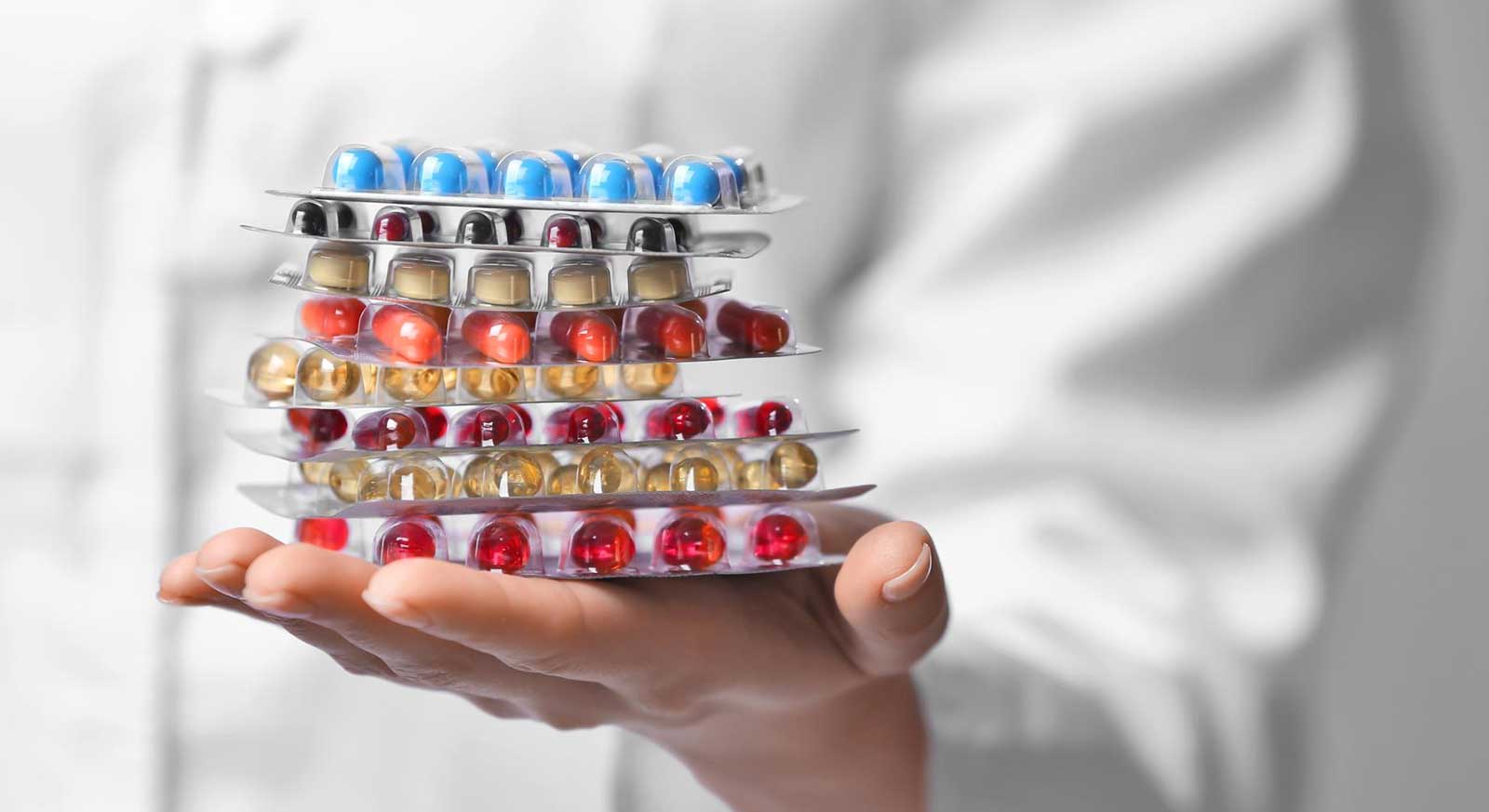
These medicines play a critical role in maintaining public health and preventing mortality. Therefore, selecting a reliable drug supplier in Europe that can provide these medicines with high quality, safety, and timely delivery is extremely important.
A vital drug supplier in Europe must, in addition to complying with legal standards, be capable of managing a secure and reliable supply chain, proper storage, and providing valid documentation for the medicines. Without these features, risks such as counterfeit medicines, cold chain failures, or delays in drug delivery can endanger patients’ lives.
Branded Medicines Wholesale from Europe: What International Buyers Need to Know
2. Criteria for Choosing a Reliable Supplier
Choosing a drug supplier in Europe that can provide Critical Medicine safely and reliably requires careful evaluation of several key criteria. The most important factors are:
1. Licenses and Standards
The first and most important criterion is checking the supplier’s official licenses and standards. Every reliable supplier must hold the necessary authorizations from international and national regulatory bodies. For example, in Europe, the European Medicines Agency (EMA) and national pharmaceutical authorities are responsible for licensing and supervising the quality and safety of medicines.
Holding these licenses indicates that the company complies with legal, safety, and quality standards and can legally distribute its medicines in the European market.
In simple terms: Official licenses act as a “certificate of trust” for the supplier and ensure that the medicines are safe and standardized.
2. Company Experience and Track Record
Experience and history of operation are another key indicator of reliability. Companies that have been supplying Critical Medicine for years typically have the ability to manage supply chain issues, transportation, and timely delivery.
A long track record also indicates strong networks with manufacturers and healthcare centers, reducing the risk of operational problems and human errors.
In simple terms: A company with a long history is likely more trustworthy and professional.

3. Supply Chain and Drug Security
One of the most critical criteria is transparency and security of the supply chain, which includes:
- Standard transportation: Medicines must be transported under appropriate temperature and security conditions to prevent spoilage or loss of efficacy.
- Proper storage: Medicines should be stored in temperature- and humidity-controlled warehouses, allowing secure handling and quick access.
- Drug tracking (Track & Trace): The ability to track each package from production to final delivery ensures authenticity and prevents counterfeit medicines from entering the supply chain.
In simple terms: A secure supply chain ensures that medicines remain safe and intact from the manufacturer to the end user.
What Are Generic Medicines and How Do They Meet EU Quality Standards?
4. Quality and Manufacturing Standards
Quality and compliance with manufacturing standards are crucial. Every reliable supplier must follow GMP (Good Manufacturing Practice) standards. These include quality control during production, packaging, and laboratory testing to prevent:
- Drug spoilage
- Reduced efficacy
- Harm to patients
In simple terms: Manufacturing standards guarantee the health and effectiveness of medicines and show that they are produced under strict control.
Important Note
A reliable supplier has valid licenses, a long and trustworthy history, a secure supply chain, and guarantees the quality of its medicines. Paying attention to these criteria ensures that healthcare centers, pharmacies, and health organizations receive Critical Medicine safely and without concern.
3. Challenges in Drug Supply in Europe
Supplying drugs in Europe, despite strict regulations and standards, faces multiple challenges and obstacles. Every vital drug supplier must be able to manage these issues to ensure that medicines reach patients on time and in high quality.
1. EU Regulations and Laws
The European Union has strict laws regarding the import, distribution, and storage of medicines. Every supplier must comply with all legal requirements, including:
- Holding official licenses from European pharmaceutical authorities
- Providing verifiable documentation for each package of medicine
- Adhering to safety, quality, and packaging standards
Failure to comply can result in heavy fines, seizure of medicines, or even revocation of the supplier’s license.
In simple terms: EU regulations ensure that imported medicines are safe and of high quality, protecting patients from harm.
2. Sanctions and Restrictions
Some countries or companies are subject to international sanctions or trade restrictions. This can limit access to Critical Medicine and cause delays in delivery.
A reliable supplier, with careful planning and knowledge of legal alternative routes, can manage these restrictions and deliver essential medicines to healthcare centers on time.
In simple terms: Sanctions can make access to medicines difficult, but a professional supplier always has legal and safe solutions for delivery.
3. Risks of Counterfeit Medicines
Counterfeit medicines are a serious threat in the European pharmaceutical market and can endanger patient health. These fake medicines may:
- Have no therapeutic effect
- Cause dangerous side effects
- Worsen the patient’s condition

To prevent these risks, choosing a reputable supplier is essential. A trustworthy supplier sources medicines from reliable origins, follows Track & Trace procedures, and provides documentation verifying the authenticity of medicines.
In simple terms: Counterfeit medicines are dangerous, but a reliable supplier ensures that medicines are genuine, safe, and effective.
4. The Role of Technology and Innovation in Drug Supply
Supplying medicines in Europe not only requires compliance with laws and standards but also relies heavily on technology and innovation to ensure quality, safety, and timely delivery. Modern technologies help suppliers deliver Critical Medicine confidently and prevent potential issues.
1. Drug Tracking (Track & Trace)
Modern drug tracking systems, known as Track & Trace, allow suppliers to monitor every package from production to delivery to pharmacies or patients.
Benefits include:
- Ensuring medicine authenticity and preventing counterfeit drugs
- Quickly identifying any package in case of a problem or product recall
- Accurate inventory management and reducing medicine waste
In simple terms: With a Track & Trace system, every medicine’s journey from factory to consumer is transparent and fully traceable.
2. Supply Chain Management Systems
Modern suppliers use advanced supply chain management software, including:
- ERP (Enterprise Resource Planning): Software that manages the entire supply chain process, including inventory, orders, and delivery.
- Warehouse management systems: Controlling storage conditions such as temperature, humidity, and packaging security.
These systems help suppliers deliver medicines on time, without delays, and at full quality, minimizing human errors and operational disruptions.

5. Practical Tips for Choosing a Drug Supplier
Choosing a drug supplier in Europe requires careful and practical consideration of key criteria. In this section, we outline actionable steps and questions to ask before selecting a supplier.
1. Questions to Ask the Supplier
Before collaborating with any supplier, it is essential to ask the following key questions:
- Does the company hold valid European licenses?
Licenses indicate compliance with safety and quality regulations, ensuring that medicines are legal and trustworthy. - What is the company’s experience in supplying Critical Medicine?
A supplier’s track record in providing essential medicines demonstrates their ability to manage the supply chain and deliver medicines on time. - How do they ensure the quality and authenticity of medicines?
A reputable supplier should have systems for tracking, quality control, and document verification to guarantee the authenticity of medicines.
In simple terms: Asking these questions is like checking a supplier’s “credentials and reliability” before purchasing medicines.
FDA Approves First Interchangeable Biosimilars to Simponi and Simponi Aria
2. Essential Documents and Certifications
A reliable supplier must provide legal documents and certifications, including:
- Wholesale Distribution License (WDL) – Mandatory authorization for the wholesale distribution of medicinal products within the European Union.
- GDP Certification (Good Distribution Practice) – Confirms that storage, handling, and transportation of medicinal products comply with EU GDP standards.
- Pharmacy / Wholesaler Registration Documents – Proof of legal registration as a pharmaceutical wholesaler within the EU.
- Quality Management System (QMS) Documentation – Including procedures for storage, temperature monitoring, recalls, deviation management, and product handling.
- Authorized Responsible Person (RP) Documentation – License and qualification documents of the designated Responsible Person responsible for GDP compliance.
In simple terms: Legal documents and certifications guarantee that medicines are safe, standardized, and trustworthy.
3. Assessing Company Reputation and Customer Feedback
Customer reviews, history of cooperation with hospitals and healthcare centers, and international project experience are important indicators of trust:
- A supplier with a good track record usually delivers medicines on time.
- Positive feedback from clients and collaboration with reputable institutions indicate professionalism and reliability.
6. Summary
Supplying medicines in Europe, especially Critical Medicine , is a complex and critical process where quality, safety, and timely delivery play a key role. Choosing a reliable supplier goes beyond having licenses and legal documents; it also requires evaluating the company’s experience, transparency of the supply chain, adherence to production standards, and use of modern technologies.
At Lenus Health, we believe that providing accurate, transparent, and understandable information to healthcare organizations is the first step in ensuring patient access to critical medicines. Modern technologies, such as Track & Trace systems and supply chain management software, help ensure that medicines reach their destination with full quality and without disruption.
In addition, we provide EU-standard GDP pharmaceutical distribution, ensure secure supply chain management, and enable reliable access to essential treatments for hospitals, pharmacies, and international distributors.
Additionally, understanding challenges such as strict EU regulations, sanctions, counterfeit medicines, and evaluating certifications, GDP, and customer feedback, significantly contributes to choosing a reliable supplier.
By following these principles, healthcare centers and pharmacies can confidently provide Critical Medicine to patients, playing a key role in maintaining public health.
7. Frequently Asked Questions (FAQs)
- What are Critical Medicine and why are they important?
Critical Medicine are drugs whose absence poses a serious threat to patients’ lives, such as heart medications and insulin. - How can a reliable medicine supplier be identified?
By checking licenses, production standards, company experience, supply chain transparency, and customer feedback, one can identify a trustworthy supplier. - Does technology matter in supplying Critical Medicine ?
Yes, drug tracking and supply chain management systems ensure quality and timely delivery of medicines.