As a company that has worked for years in the pharmaceutical sales sector, we are well aware of the complexities and sensitivities involved in international drug logistics. Medicines are extremely delicate products even the slightest mistake in transportation, packaging, or storage can reduce their effectiveness and endanger patients’ health.
It has become evident that partnering with the most reputable specialized logistics firms is key to guarding the quality of medicines and ensuring their on‑time delivery. Choosing the right partners and carefully overseeing each step of transportation, warehousing, and delivery is essential so that medicines reach healthcare centers and customers in optimal condition.
This article aims to examine the challenges of international drug logistics and propose practical solutions for safe and efficient management. It also shares lessons learned over years of pharmaceutical sales experience.
Table of Contents
- What is International Drug Logistics?
- Key Challenges in Drug Logistics
- Practical Solutions for Logistics Management
- Successful International Experiences
- Conclusion
- Frequently Asked Questions
What Is International Medicine Logistics?
International medicine logistics refers to the full set of processes that medicines go through from production up to final delivery to healthcare centers or end customers. This includes transportation, packaging, warehousing, customs clearance, shipment tracking, and distribution.
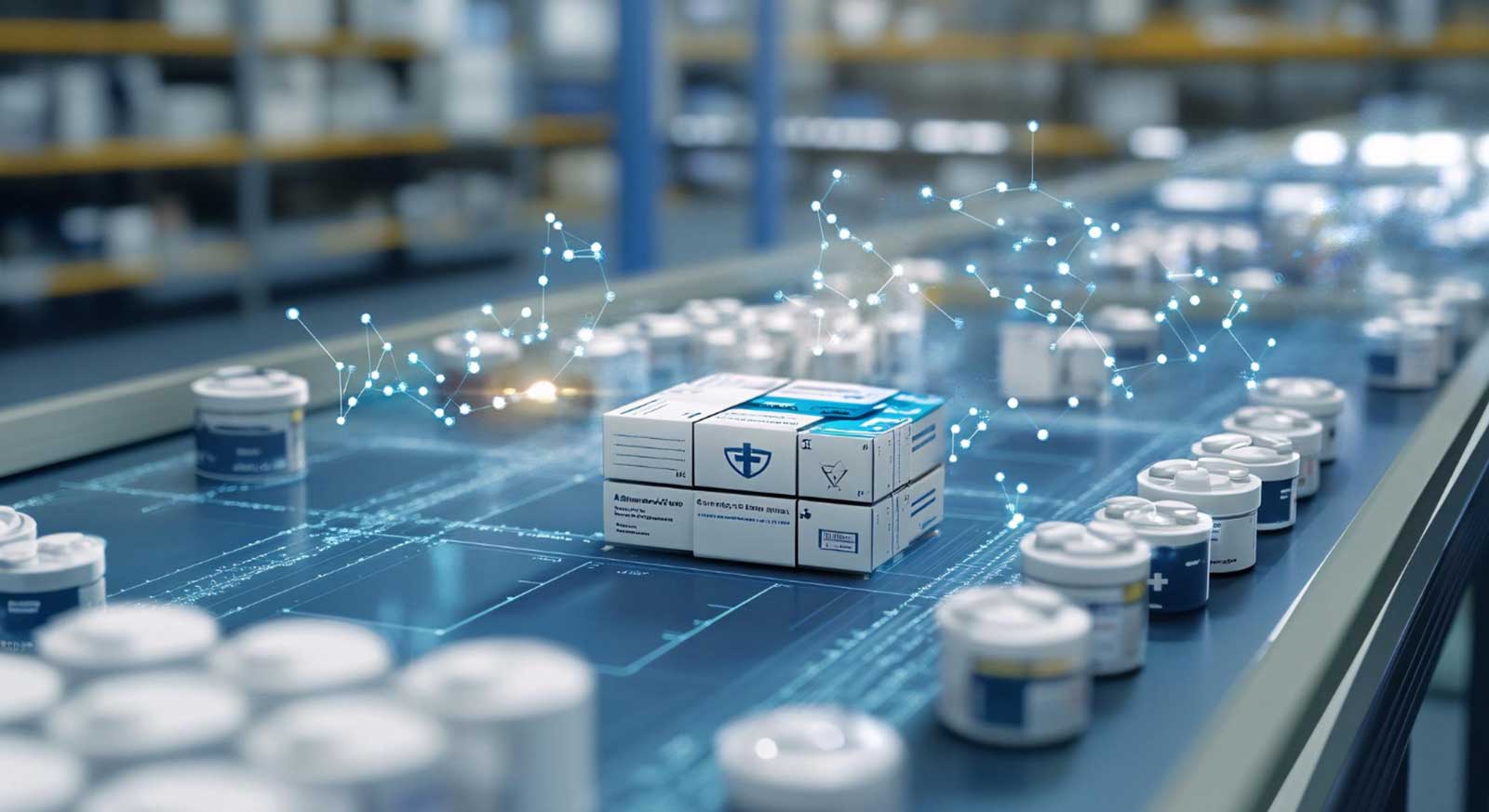
Every stage of this supply chain carries its own sensitivity and complexity. For example, biologics and vaccines require strict cold-chain management, where even a minor temperature deviation can impact their efficacy. Packaging must also protect the products from shock, light, and potential contamination.
In addition to physical handling requirements, compliance with regulatory frameworks is fundamental. International medicine logistics must follow Good Distribution Practice (GDP) standards, ensuring that medicines are consistently stored, transported, and handled under controlled conditions. Companies involved in this process need valid Wholesale Distribution Authorization (WDA) and must operate under clearly defined Standard Operating Procedures (SOPs) to maintain traceability, safety, and product integrity at every step.
Because each country enforces its own rules for import, export, and distribution of medicines, neglecting these regulations can lead to customs delays, penalties, or even shipment seizure.
In essence, international medicine logistics is a precise, multi-layered process requiring compliance with global quality standards, technical expertise, and collaboration with reliable logistics partners. Proper management of this chain ensures medicines reach their destination on time, under approved conditions, while maintaining efficacy and protecting patient health.
Comprehensive Guide to Choosing a Reliable and Vital Drug Supplier in Europe
Key Challenges in International Drug Logistics
Cold chain Requirements and Temperature Sensitivity
Some medicines especially vaccines and biologics must be stored within a narrow temperature range. Even slight deviations can reduce their effectiveness. Using temperature and humidity sensors and continuous monitoring helps to maintain quality and safeguard patient health.

International Regulations and Compliance
Each country has its own regulations for pharmaceutical import/export/distribution. Strict compliance and coordination with legal and logistics teams prevents penalties, shipment seizure, or delivery delays, ensuring drugs meet global standards.
Customs Clearance and Other Administrative Delays
One of the most common challenges in international drug logistics is customs clearance delay. Precise planning, preparing legal documentation, and coordinating with reputable logistics firms help reduce these delays and maintain the integrity of shipments.
Risk of Counterfeit or Unauthorized Drugs
The entry of counterfeit or unauthorized medicines into the supply chain threatens patient safety. Verifying the legal documentation of suppliers and working with trusted logistics partners remain critical to reducing this risk.
Inventory and Warehouse Management
Accurate inventory control and correct warehousing prevent shortages or incomplete deliveries. Using advanced warehouse management software and thoughtful order planning ensures medicines are available on schedule and with high quality.

Practical Solutions for Managing Drug Logistics
Tracking & Monitoring Technologies
GPS tracking systems, and temperature and humidity sensors allow real-time monitoring of each shipment. They can report changes such as temperature swings, vibrations, or delays, triggering immediate alerts. For example, if the temperature of a vaccine shipment goes beyond the allowed limit, the system alerts operators to take corrective action.
These technologies not only safeguard drug quality but also enable documentation and reporting to clients or regulatory authorities — a crucial aspect in the pharmaceutical industry.
Cooperation with Specialized Logistics Partners
Success in international drug sales depends heavily on collaborating with reputable logistics companies specialized in pharmaceutical transport. Such firms understand global standards, have experience with sensitive medicines, vaccines, and biologics, and can propose optimal packaging and transport methods. This collaboration reduces risks like shipment damage or delay.
Precise Route and Timing Planning
Careful planning of shipping routes, customs clearance timing, warehousing, and final delivery prevents unnecessary delays. Coordinating exact delivery times and anticipating possible delays ensures medicines, even on long international journeys, arrive without quality degradation.
Process Standardization and Staff Training
Implementing strict standard operating procedures (SOPs) and continuous training of all teams reduces errors and ensures the entire supply chain from packaging to delivery adheres to global best practices. This significantly enhances safety and quality.
Risk Management and Shipment Insurance
International drug transport always involves risks from temperature deviations and customs delays to physical damage. Having shipment insurance and conducting risk analysis at every step ensures that, in case of unforeseen issues, losses can be mitigated, and patients’ safety remains a priority.
Successful International Experiences
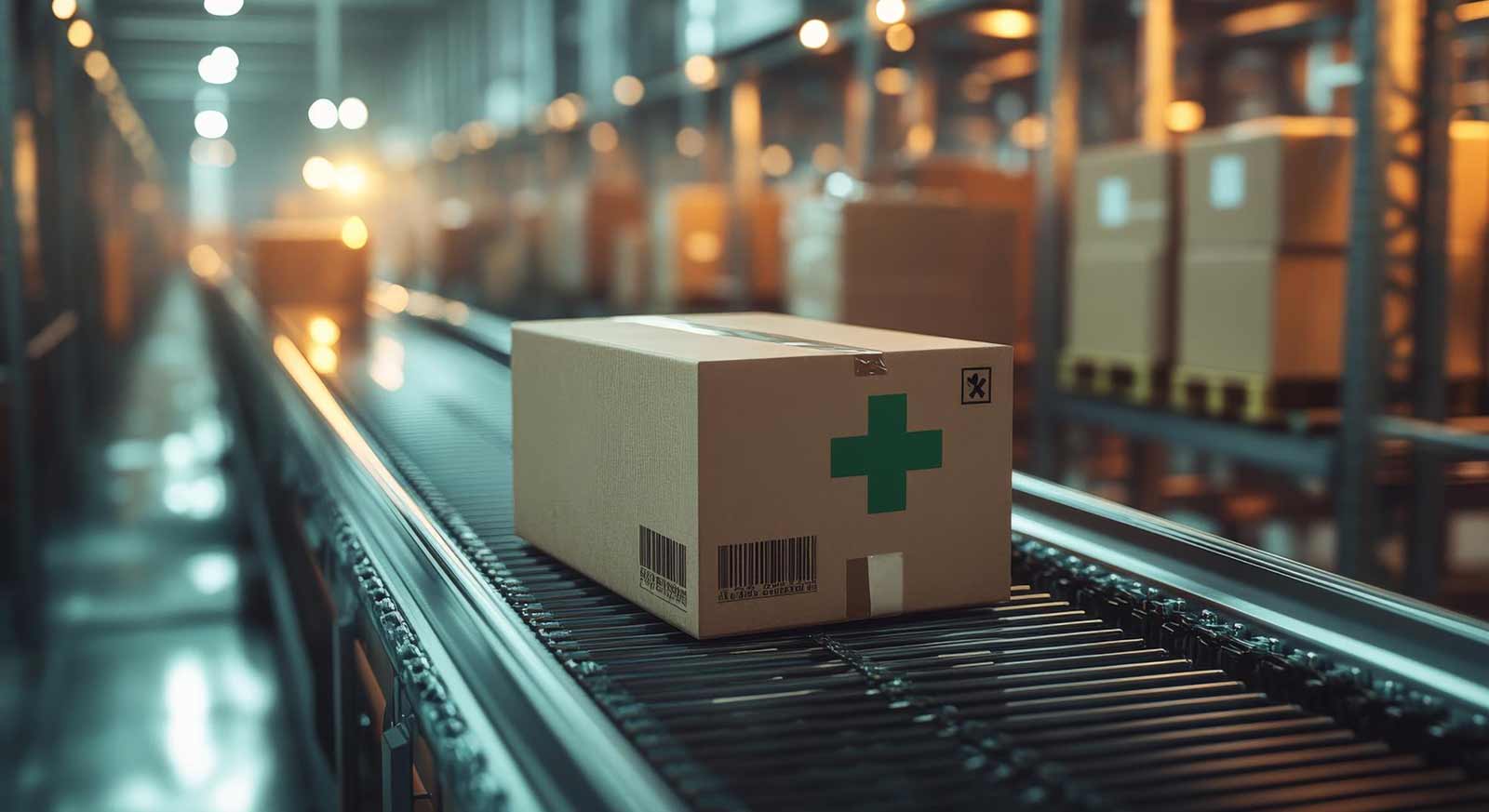
With years of experience in international medicine sales, Lenus Health optimizes the pharmaceutical supply chain by leveraging advanced technology, standardized procedures, and collaboration with reputable partners. These practices not only reduce costs but also accelerate delivery while ensuring the safety and quality of medicines.
Using advanced tracking systems and environmental monitoring, every shipment is closely supervised from loading to final delivery. Standardizing packaging, transportation, and delivery processes minimizes errors and maximizes safety.
Lenus Health works with specialized and trusted logistics partners to reduce the risk of damage, speed up delivery, and optimize costs. This collaboration also builds confidence among clients and healthcare centers.
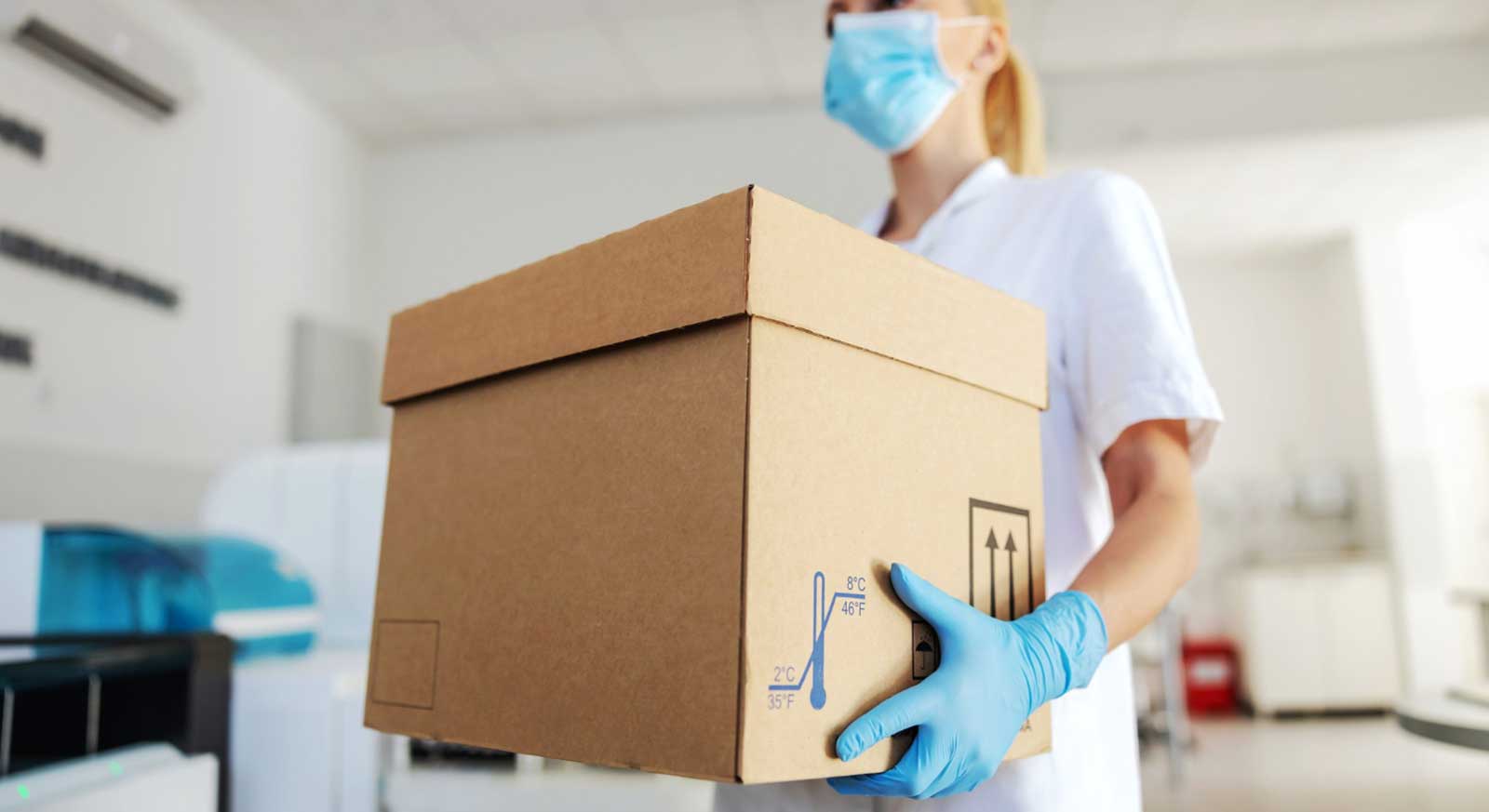
By strictly following SOPs and GDP regulations, we cover shipments from the EU to the MENA and CIS regions, ensuring full compliance with international laws and standards. These combined measures create a reliable international pharmaceutical supply chain capable of delivering safe, high-quality medicines to patients worldwide.
Conclusion
International drug logistics is a complex and delicate process requiring precision, advanced technology, and careful planning. Ensuring quality preservation, patient safety, and timely delivery demands collaboration with specialized logistics firms.
Adhering to global standards, using modern technologies, standardizing procedures, and continuously educating teams constitute the best strategy for safe and effective pharmaceutical distribution. This approach ensures access to high‑quality drugs, maintains client satisfaction, and upholds trust and responsibility in healthcare distribution.
Frequently Asked Questions
- Why do some medicines require a cold chain?
Medicines such as vaccines and biologics can lose potency or become unusable if exposed to temperature variations. - How can counterfeit drugs be prevented from entering the supply chain?
Careful verification of supplier documentation, plus working with reputable logistics partners, significantly reduces this risk. - What measures help reduce customs clearance delays?
Precise planning, preparing all legal documents, and coordinating with specialized logistics companies improve clearance speed. - How can inventory be managed optimally?
Employing warehouse management software, planning orders carefully, and standardizing processes ensure medicines remain in stock and are delivered correctly.